To perform its functions satisfactorily, the lubricating oil must be kept within the proper temperature limits. If the oil is too cold, it will not flow freely. If the oil is too hot, it cannot support the bearing loads, and it cannot carry away enough heat. As a consequence, oil pressure may drop below acceptable limits and oil consumption may become excessive.
While performing its lubricating and cooling functions, the oil absorbs a considerable amount of heat, and this heat must be dissipated by an oil cooler.
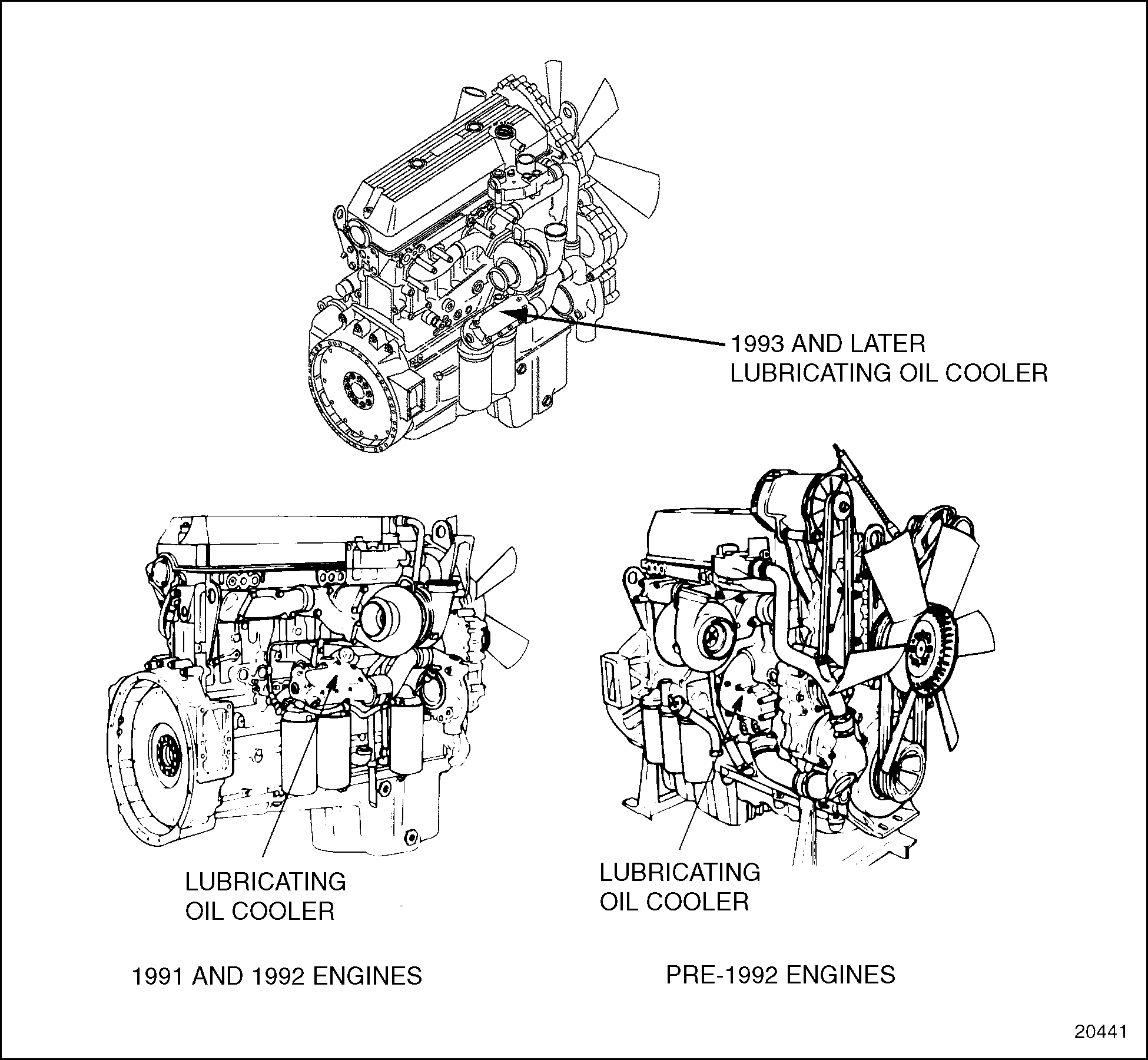
The lubricating oil cooler is mounted on the right side of the cylinder block near the water pump. See Figure "Lubricating Oil Cooler (1991 and Later Engines)" .
Figure 1. Lubricating Oil Cooler (1991 and Later Engines)
To ensure continued engine lubrication if the oil cooler becomes plugged, a bypass passage located at the oil inlet to the cooler allows oil to bypass the cooler and flow directly to the oil gallery in the cylinder block.
Cooling water is circulated through the oil cooler housing completely surrounding the oil cooler core. Therefore, whenever an oil cooler is assembled, care must be taken to have the proper gaskets in place and the retaining bolts tight to ensure good sealing.
A design change was made to the oil cooler housing and the mounting of Series 60 engines built after 6R37023. Because of this change, there are differences in the servicing of the two designs.
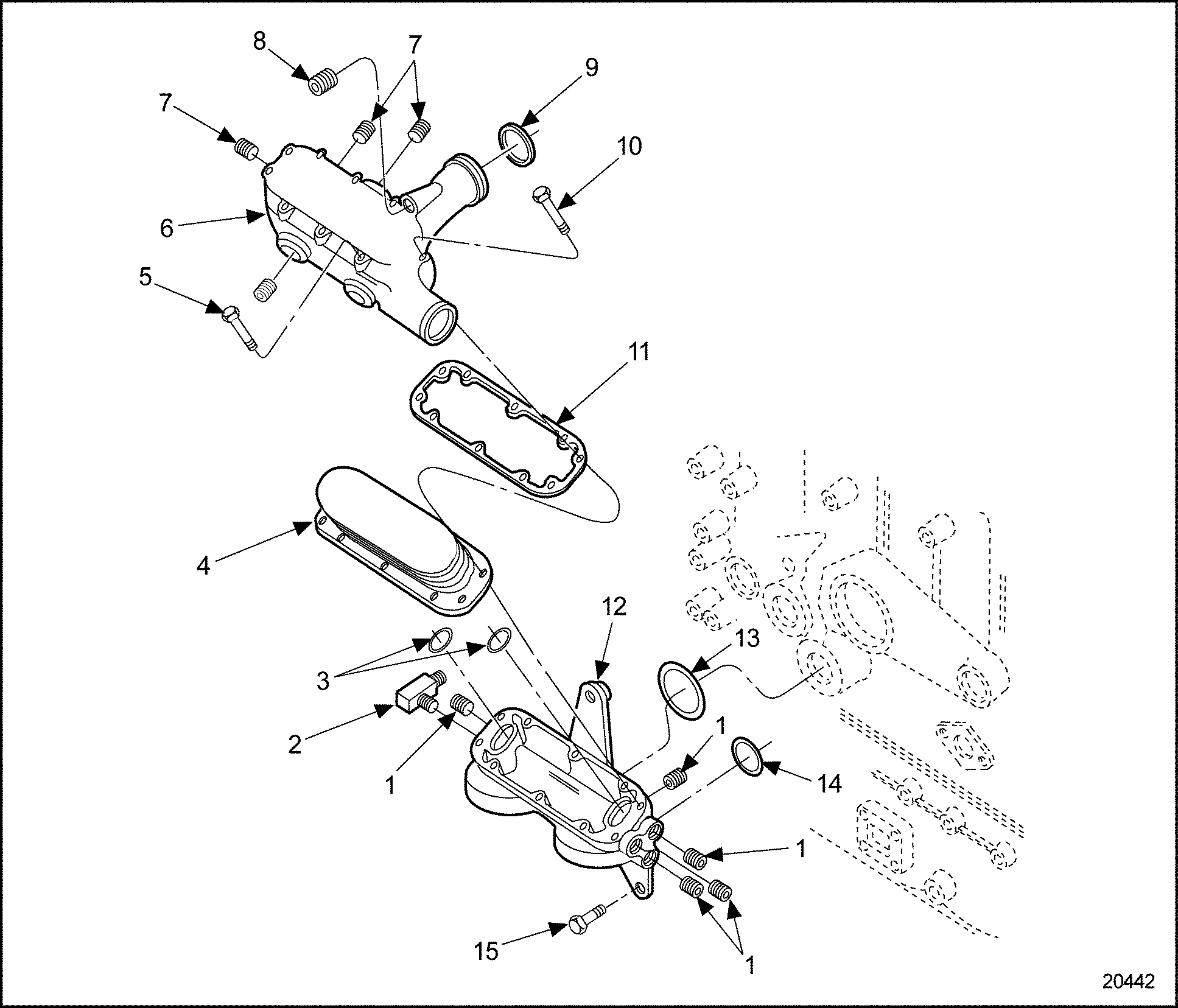
The oil cooler housing coolant outlet uses one large rubber O-ring seated in a groove in the outlet neck. See Figure "Oil Cooler Housing and Related Parts (1991 and Later Engines)" .
|
1. Pipe Plugs (5) |
9. O-ring |
|
2. Fitting |
10. Bolt, Oil Cooler Housing-to-Adaptor (7) |
|
3. O-rings (2) |
11. Gasket, Oil Cooler-to-Housing |
|
4. Oil Cooler |
12. Oil Filter Adaptor |
|
5. Bolt, Oil Cooler Housing-to-Adaptor (3) |
13. O-ring |
|
6. Oil Cooler Housing |
14. O-ring |
|
7. Pipe Plugs (4) |
15. Bolt, Oil Filter Adaptor-to-Block (5) |
|
8. Pipe Plug |
|
Figure 2. Oil Cooler Housing and Related Parts (1991 and Later Engines)
Two small O-rings are positioned in oil filter adaptor counterbores to seal the lubricating oil passages between the oil filter adaptor and the cooler core.
The oil cooler housing is attached to the oil filter adaptor. The flow of oil is from the oil pump, through a vertical passage in the cylinder block, through the full-flow oil filters and then through the oil cooler core and the cylinder block main oil galleries.
To determine if repair is possible or replacement is necessary, perform the following procedure. See Figure "Flowchart for Repair or Replacement of Oil Cooler" .
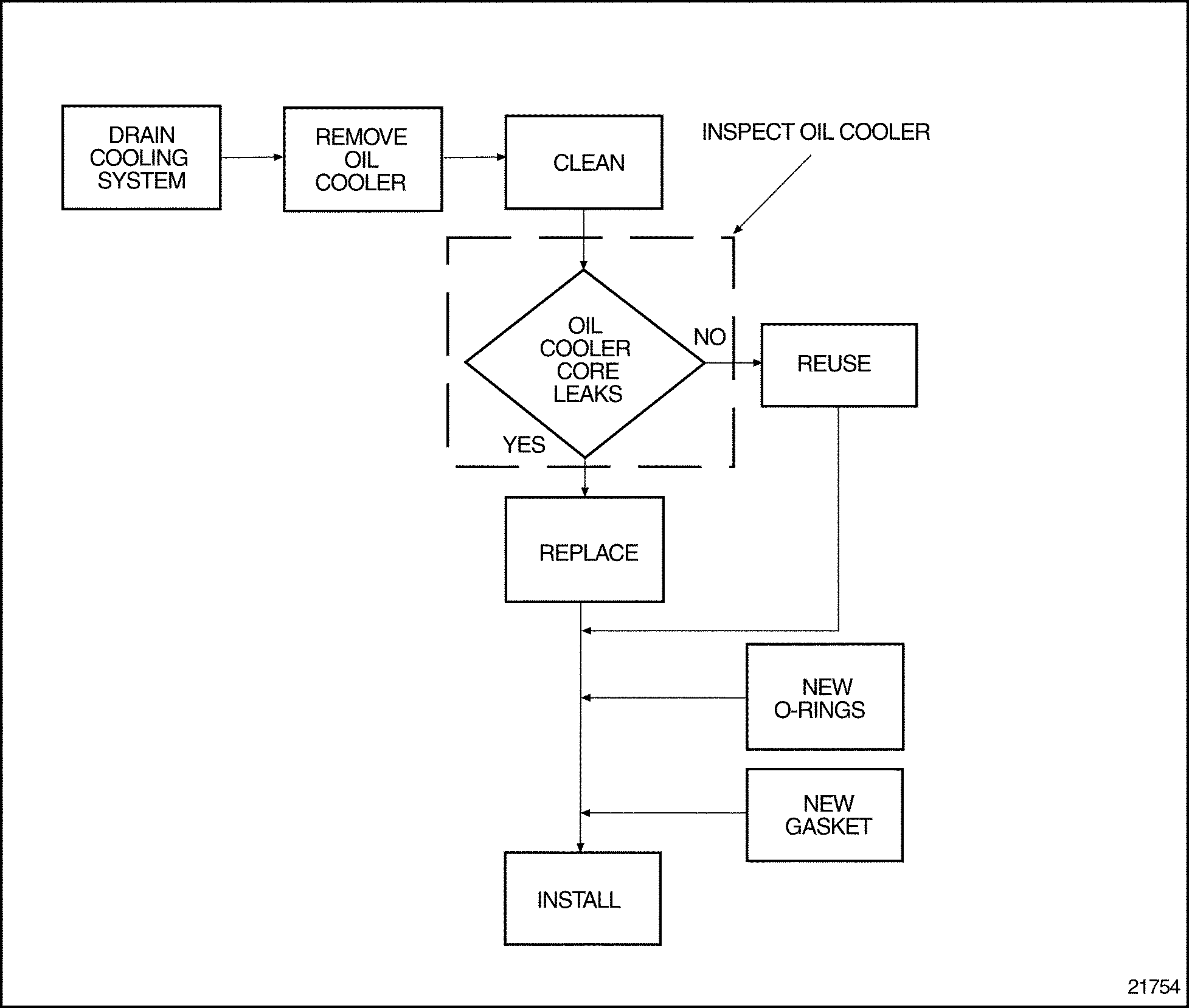
Figure 3. Flowchart for Repair or Replacement of Oil Cooler
Remove the oil cooler core and housing as follows:
Clean the oil cooler core prior to inspection as follows:
 CHEMICAL BURNS |
|
To avoid injury from chemical burns, wear a face shield and neoprene or PVC gloves when handling sensor hoses. |
 PERSONAL INJURY |
|
To avoid injury from improper use of chemicals, follow the chemical manufacturer's usage, handling, and disposal instructions. Observe all manufacturer's cautions. |
|
PERSONAL INJURY |
|
To avoid injury when using chemical substances, it is essential to observe the manufacturer's instructions for use, safety, and waste disposal. |
|
PERSONAL INJURY |
|
To avoid injury when using caustic cleaning agents, follow the chemical manufacturers usage, disposal, and safety instructions. |
NOTICE: |
|
Do not attempt to clean an oil cooler when an engine failure releases metal particles from worn or broken parts into the lubricating oil. The oil cooler core must be replaced. Otherwise, severe engine damage may result. |
Clean the outside of the core:
|
PERSONAL INJURY |
|
To avoid injury from improper use of chemicals, follow the chemical manufacturer's usage, handling, and disposal instructions. Observe all manufacturer's cautions. |
|
PERSONAL INJURY |
|
To avoid injury when using chemical substances, it is essential to observe the manufacturer's instructions for use, safety, and waste disposal. |
Inspect oil cooler as follows:
NOTICE: |
|
In cases where a leaking oil cooler core has caused contamination of the engine, the engine must be immediately flushed to prevent corrosion to its internal components. Refer to "14.6.4 Cooling System" . |
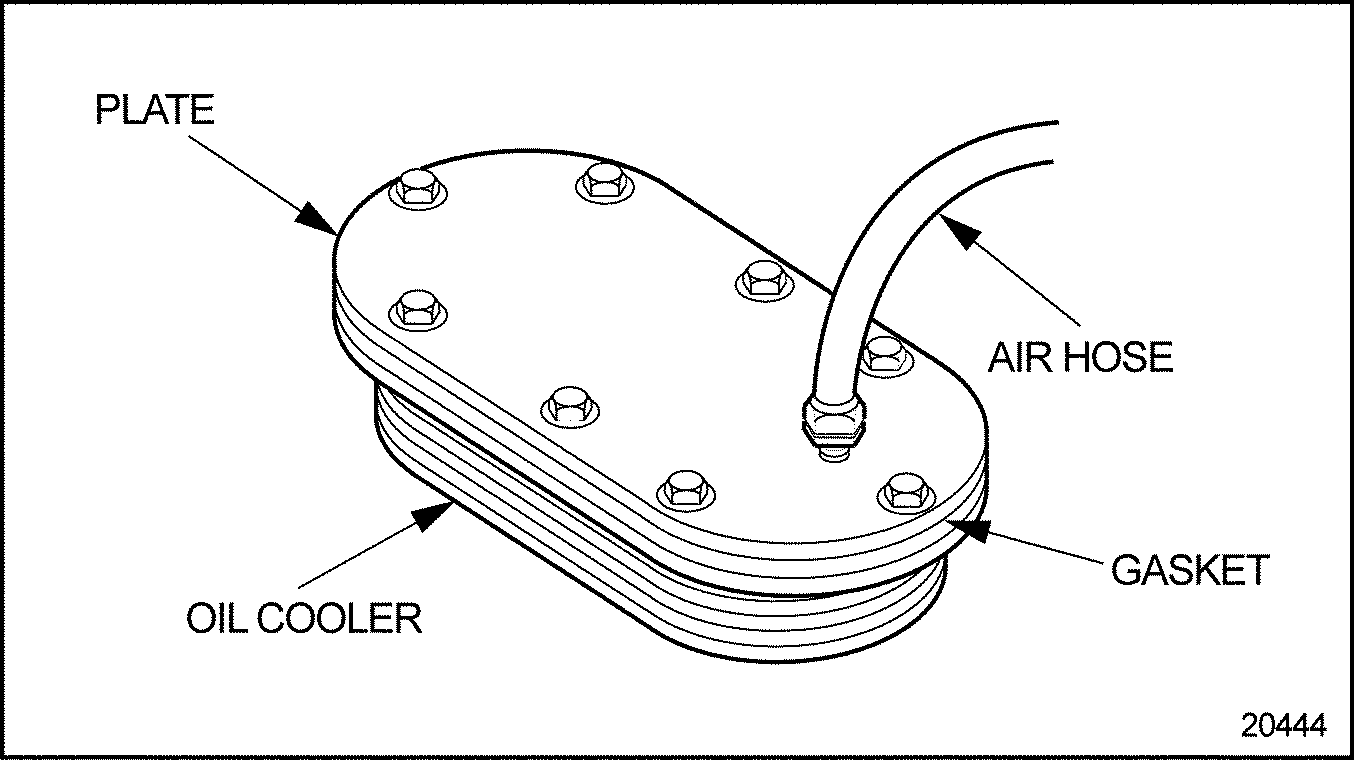
Figure 4. Preparing Oil Cooler Core for Pressure Test
|
PRESSURIZED AIR AND FLYING PARTICLES |
|
To avoid injury to eye or face, wear a face shield or goggles when conducting a pressure test. |
|
EYE INJURY |
|
To avoid injury from flying debris when using compressed air, wear adequate eye protection (face shield or safety goggles) and do not exceed 276 kPa (40 psi) air pressure. |
Install the oil cooler core as follows:
NOTICE: |
|
Use care when installing the oil cooler housing to prevent damaging the outlet neck O-rings on the sharp edges of the opening in the cylinder block. Some cleaning of the block opening is usually needed. |
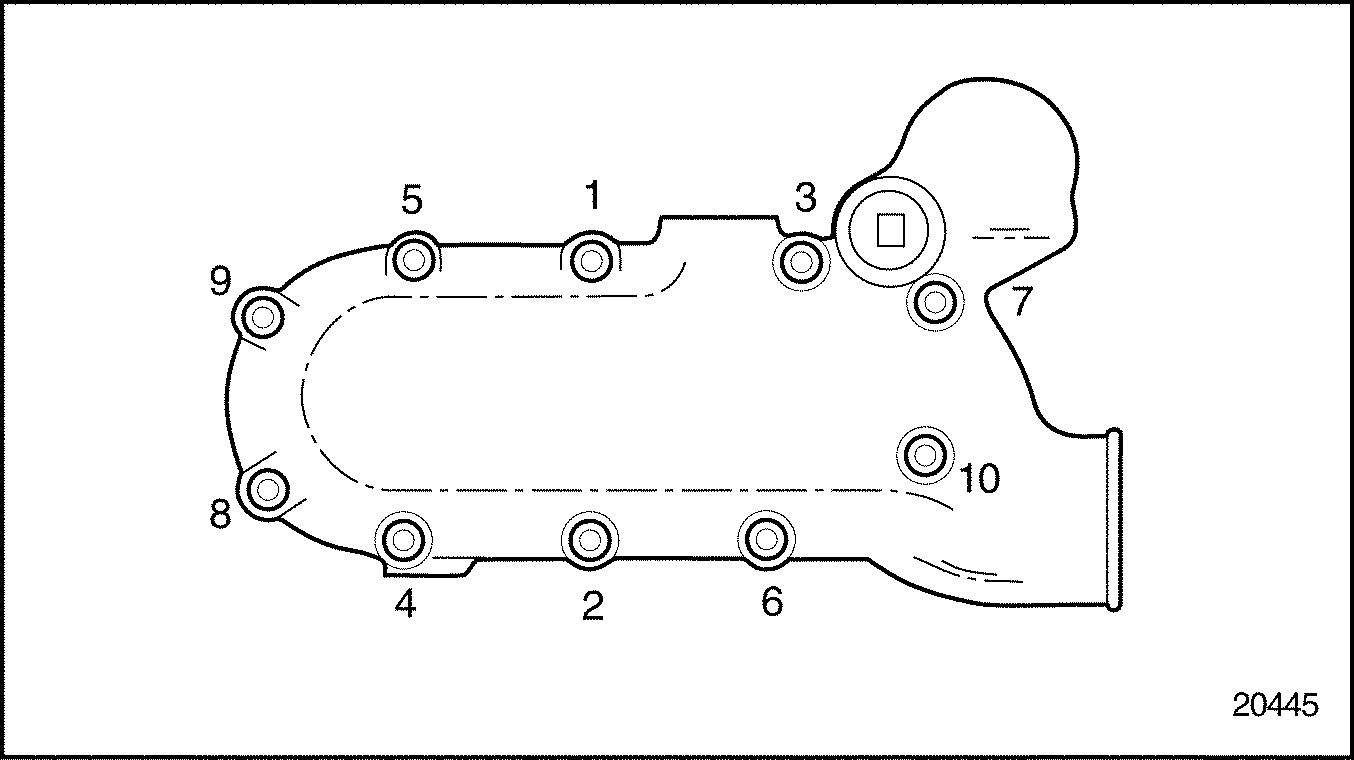
Figure 5. Oil Cooler Housing Bolt Torque Sequence
| Series 60 Service Manual - 6SE483 |
| Generated on 10-13-2008 |