
The oil pan used on the Series 60 engine is made of plastic (epoxy vinyl ester) or aluminum. For engines built after April 1999, a one-piece bolt assembly is used with the improved plastic front sump and rear sump oil pans and a new isolator seal. The new isolator seal is reusable. See Figure "Typical Oil Pan Assembly" .
|
NOTICE: |
|
Old and new components should not be mixed. |
Note: Effective April 1999, all Series 60 engines are built with a reusable oil pan isolator seal. This seal does not need to be replaced at the time of removal provided there is not any damage observed.
Note: To expedite oil pan seal installation, use a soapy water solution to assist in installing the seal into the groove of the pan. When installing a new pan on an engine prior to serial number 6R490000 (built March 1, 1999), shift the pan toward the front of the engine before tightening the bolts. This will help eliminate the potential for any interference between the flywheel housing and the oil pan.
|
1. Drain Plug |
6. Bolt |
|
2. Nut |
7. Plug |
|
3. Isolator Seal |
8. Insert |
|
4. Sleeve |
9. Seal |
|
5. Isolator and Washer |
10. Bolt ASM, Replaces 4, 5, 6 |
Figure 1. Typical Oil Pan Assembly
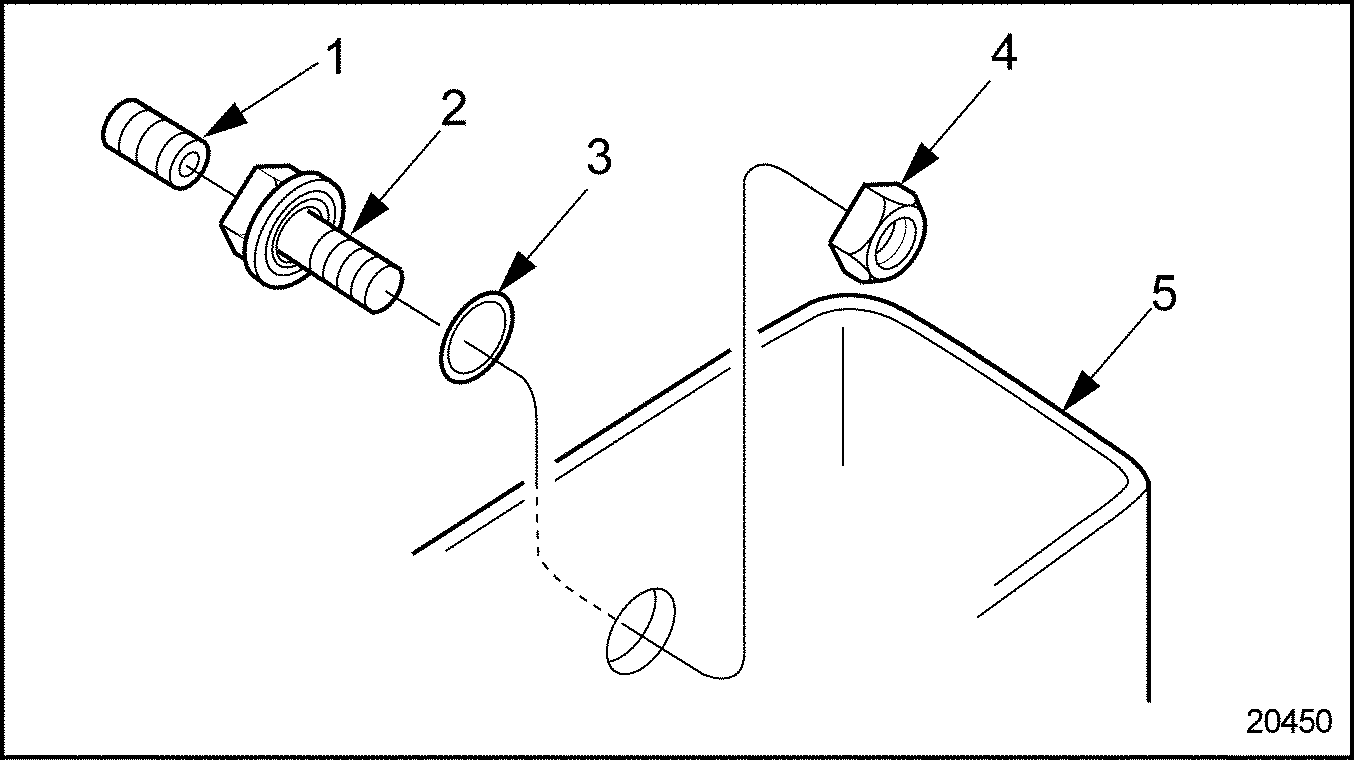
The plastic oil pan has side plugs that are threaded into a special stainless steel insert which is restrained by a nut inside the pan. Sealing is provided by a fluoroelastomer seal ring that fits into a groove machined on the flange of the insert. See Figure "Side Plug Detail" .
|
1. Plug |
4. Nut |
|
|
2. Insert |
5. Oil Pan |
|
|
3. Seal |
|
Figure 2. Side Plug Detail
Rubber isolator-washer assemblies and sleeves are used for attaching the oil pan. The metal sleeve spacer is inserted through the isolator and limits the travel of the oil pan bolts to prevent over-tightening and damaging the oil pan and isolator.
Effective August 1995, isolators made of an improved vibration-absorbing material were released to reduce noise emissions. In addition, isolator bolt sleeve length was increased by 0.8 mm (0.032 in.) to accommodate the slightly longer isolators.
When installing a pipe plug, coat the threads with Loctite® PT 7271 sealant (or equivalent), hold the insert to keep it from turning, and torque the plug to 45-56 N·m (33-41 lb·ft).
Effective November 2005, an oil pan adaptor service kit became available for the 12.7L and 14L engines to increase oil capacity for approved engine applications. The oil pan adaptor is only available for the vinyl rear sump, vinyl front sump, and aluminum low profile rear sump oil pans.
Note: Customers who want to add an oil pan adaptor service kit should refer to publication 18SP626 or contact the Detroit Diesel Customer Support Center at 313-592-5800 with their engine data to see if the service kit is compatible with the engine.
To determine if repair is possible or replacement is necessary, perform the following procedure. See Figure "Flow Chart for Repair or Replacement of Oil Pan" .
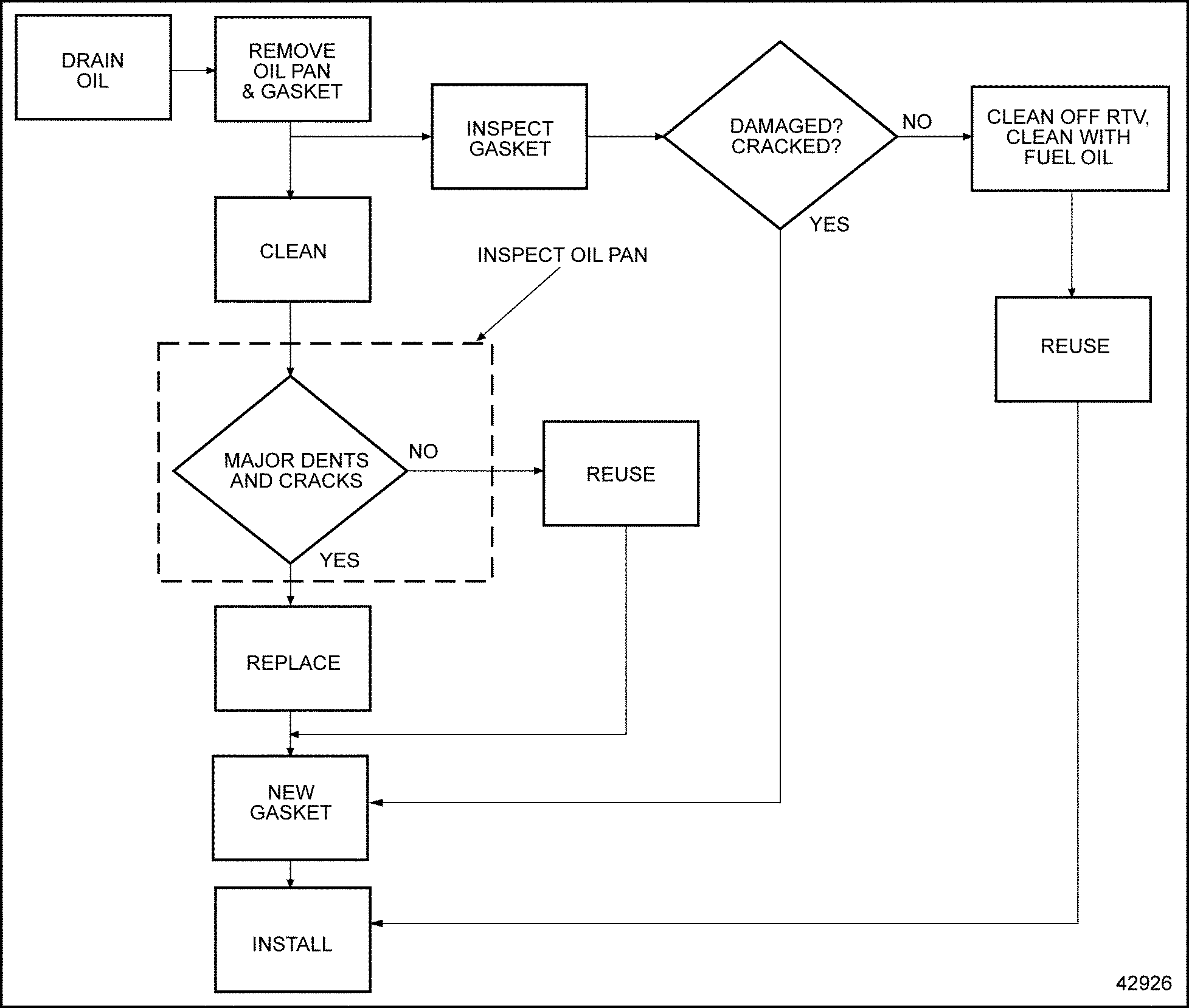
Figure 3. Flow Chart for Repair or Replacement of Oil Pan
Precleaning is not necessary.
NOTICE: |
|
Do not support the engine on the oil pan. Damage to the oil pan or engine could result. |
Note: On almost all engine applications it is possible to remove the oil pan without removing the engine.
If the engine is to be removed from the vehicle, the oil pan should be left in place until the engine is removed.
The procedure for removing the oil pan will vary with each installation. However, the following procedures will generally apply.
NOTICE: |
|
When removing a side plug, hold the flats of the insert with a 2-1/8 in. open end or large adjustable wrench to keep it from turning. If the insert is loosened, it may be necessary to remove the oil pan and tighten the nut to prevent a possible oil leak. If required, torque the nut to 186-199 N·m (137-147 lb·ft). |
Remove the oil pan as follows:
Clean the oil pan prior to inspection as follows:
 EYE INJURY |
|
To avoid injury from flying debris when using compressed air, wear adequate eye protection (face shield or safety goggles) and do not exceed 276 kPa (40 psi) air pressure. |
NOTICE: |
|
Do not use solvents to clean isolators. Damage to the isolator will result. |
Inspect the oil pan, inserts, bolt isolators and isolator seal as follows:
Install the oil pan as follows:
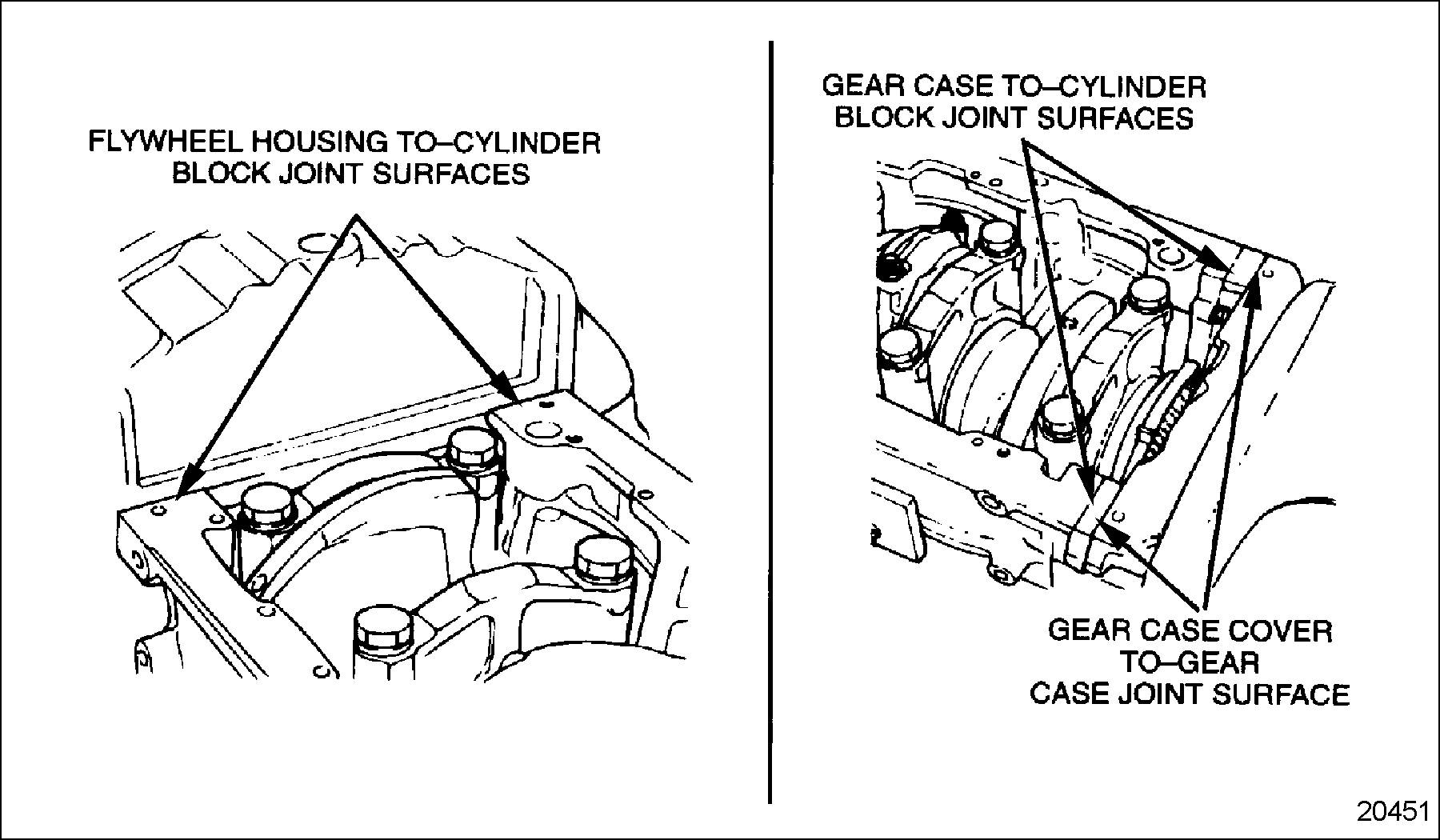
Figure 4. RTV Application
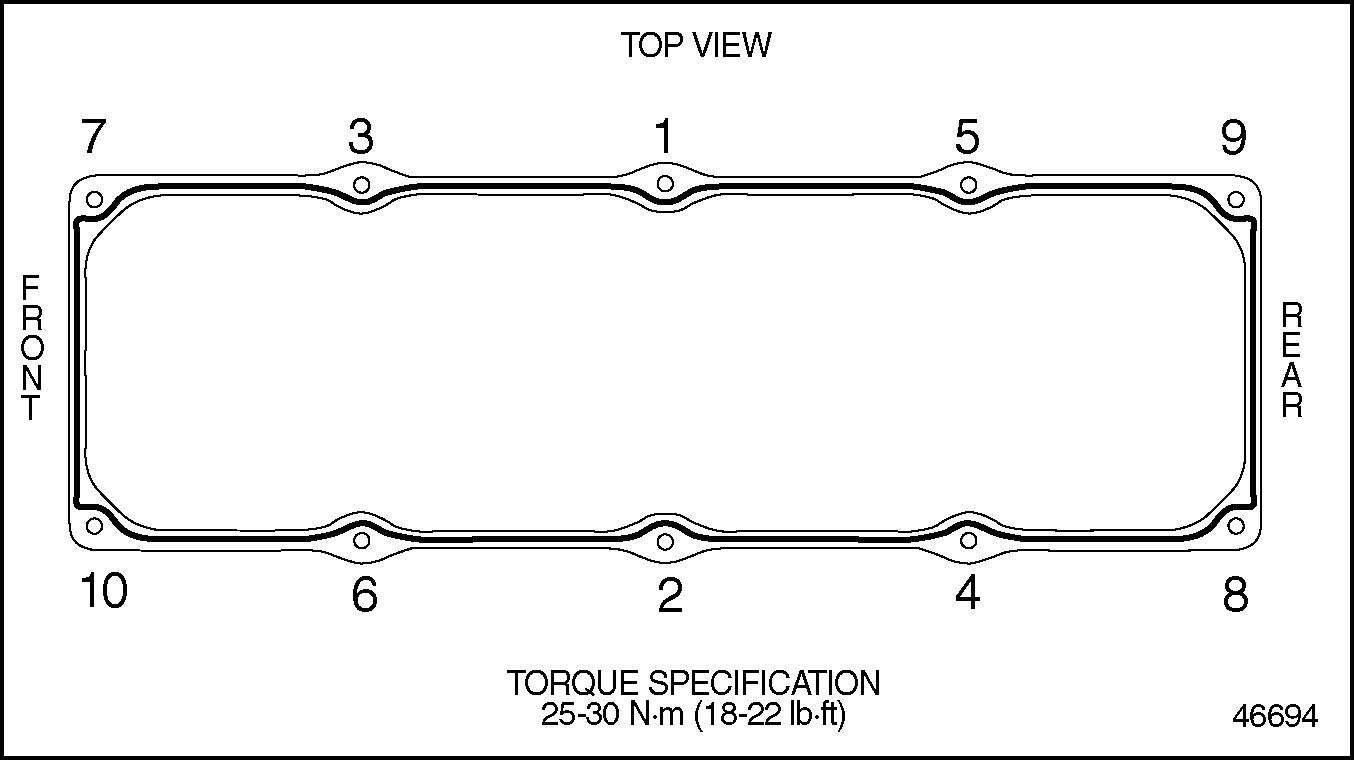
Figure 5. Oil Pan Adaptor and Tightening Sequence
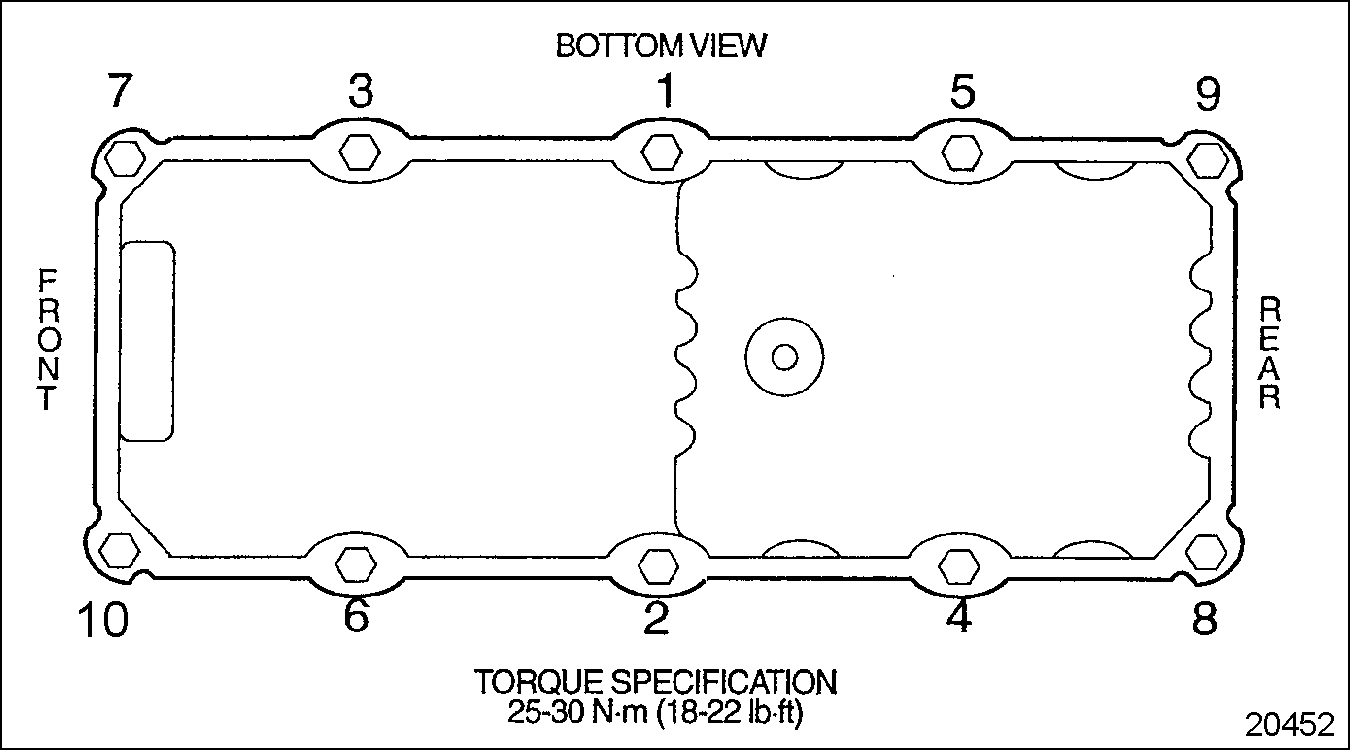
Figure 6. Oil Pan Bolt Sequence
Note: When installing a pipe plug, coat the threads with Loctite® PT 7271 sealant (or equivalent).
| Series 60 Service Manual - 6SE483 |
| Generated on 10-13-2008 |