
Non-premium engines use pistons with cast iron domes and skirts and open-end connecting rods. Premium engines (identified by the letters "PK" or "BK" in the fifth and sixth positions of the model number) built on or after March 16, 1998 use pistons with forged steel domes, aluminum skirts, and closed-end connecting rods. High torque engines (identified with "FK" or "HK" in the model number) also uses a steel piston, but of a larger diameter (14L).
Note: Steel and cast iron cylinder components must not be mixed in an engine.
The cast iron cross-head piston is a two-piece piston consisting of a dome and a skirt. The dome and skirt are held together by the piston pin. Ring grooves are machined in the piston dome. See Figure "Cast Iron Piston and Related Parts" .
|
1. Piston Pin |
5. Oil Ring Expander |
|
2. Piston Skirt |
6. Oil Control Ring |
|
3. Three-piece Bushing |
7. Compression Ring |
|
4. Piston Dome |
8. Fire Ring |
Figure 1. Cast Iron Piston and Related Parts
Note: Series 60G engine incorporates a 3.5 mm fire ring, a rectangular cut compression ring and a three-piece oil ring. See Figure "Three–piece Gas Oil Ring" . The compression ring is identified with a purple stripe.

Figure 2. Three–piece Gas Oil Ring
Each piston is fitted with a fire ring, compression ring and one-piece oil control ring with expander. See Figure "Piston Ring Location" , and see Figure "Comparison of Piston Ring Packs" .

|
1. Oil Control Ring |
5. Oil Ring Expander |
|
2. Compression Ring* |
6. Oil Control Ring |
|
3. Fire Ring |
7. Compression Ring* |
|
4. Piston Dome |
8. Fire Ring* |
Figure 3. Piston Ring Location
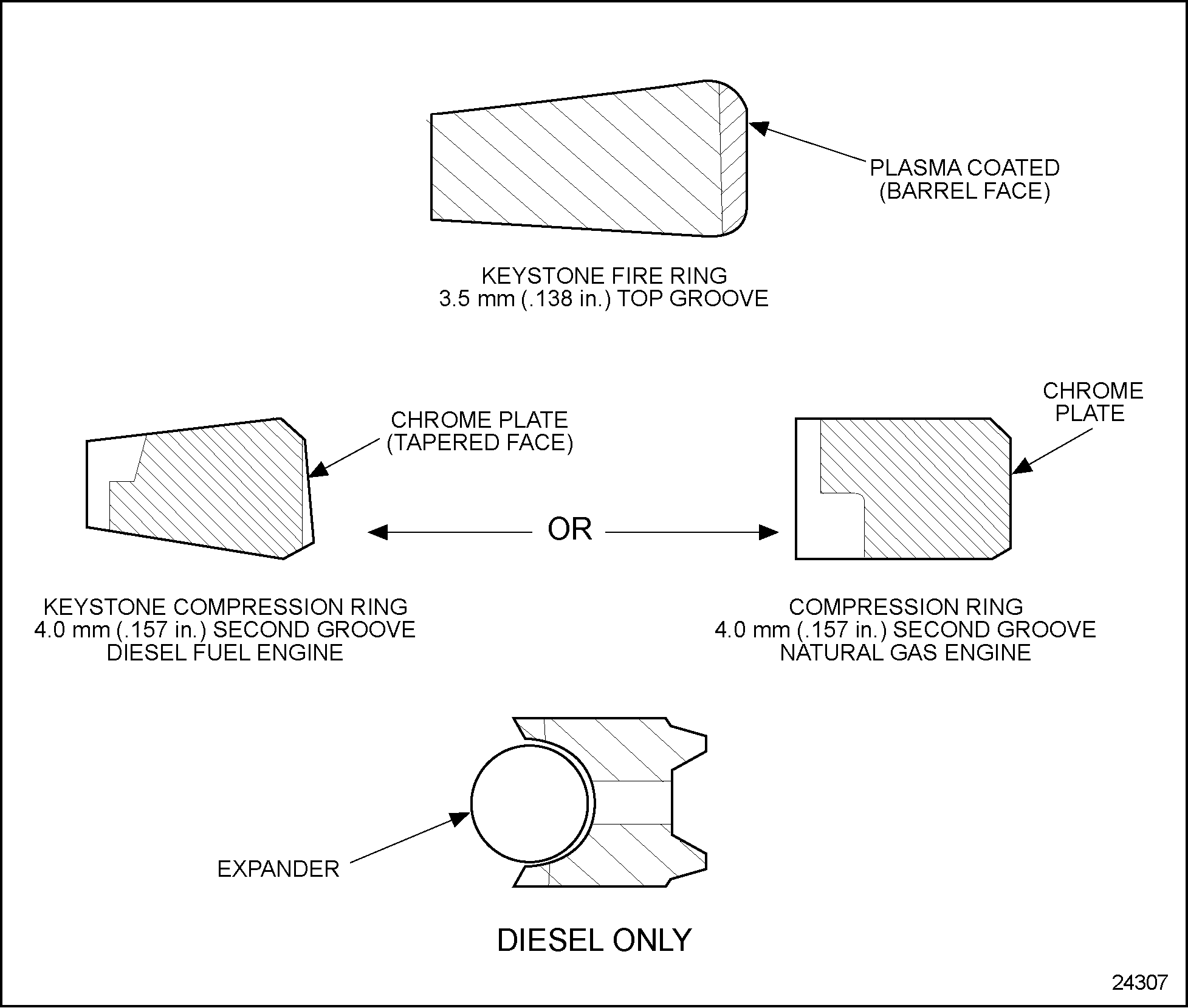
Figure 4. Comparison of Piston Ring Packs
The forged steel cross-head piston is two-piece piston consisting of a dome and a skirt. The dome and skirt are held together by the piston pin. Ring grooves are machined in the piston dome. See Figure "Forged Steel Piston and Related Parts" .

|
1. Piston Pin |
6. Oil Ring Expander |
|
2. Piston Skirt |
7. Oil Control Ring |
|
3. Snap Ring |
8. Compression Ring |
|
4. Piston Pin Bushing |
9. Fire Ring |
|
5. Piston Dome |
Figure 5. Forged Steel Piston and Related Parts
Each piston is fitted with a fire ring, compression ring, and one-piece oil control ring with expander.
The fire and compression rings are installed with the "football" mark facing up, see Figure "Fire and Compression Ring Identification" .
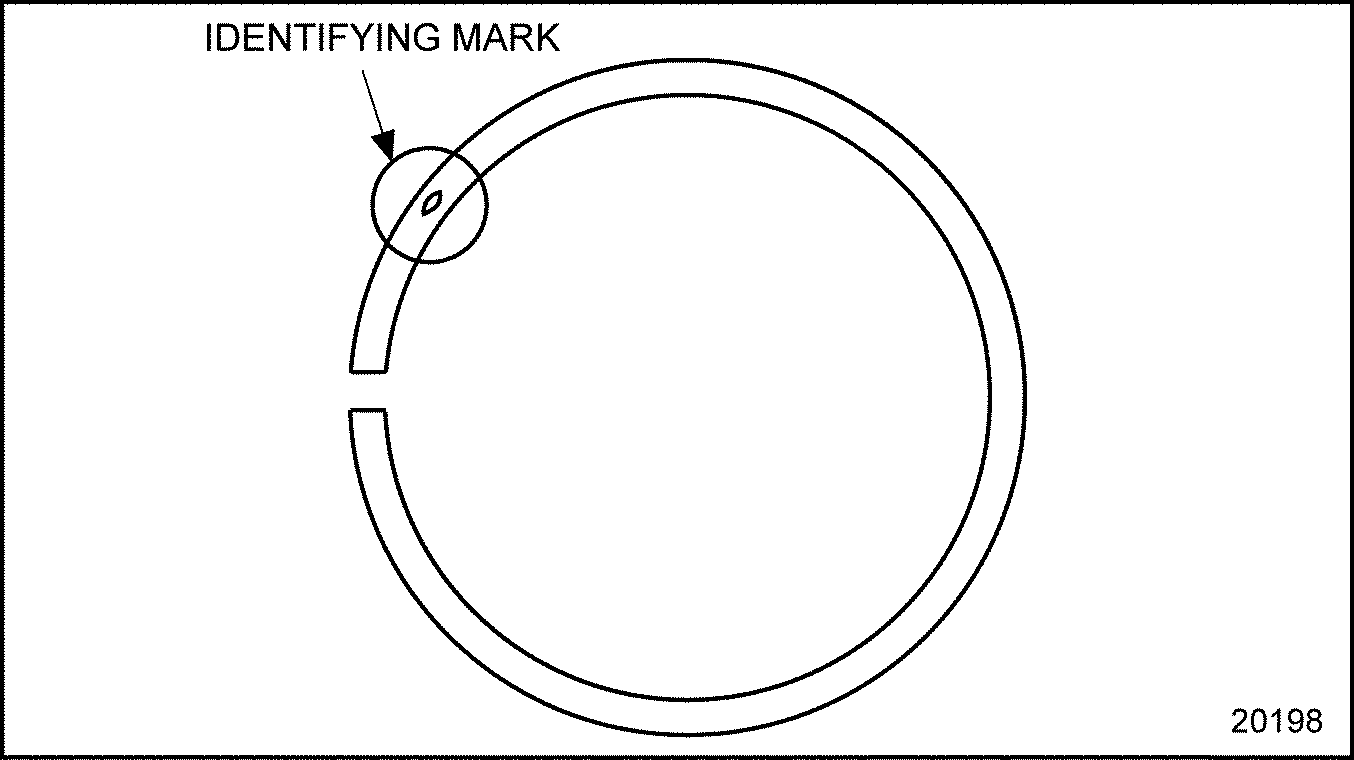
Figure 6. Fire and Compression Ring Identification
A one-piece oil control ring is used in the third groove. The expander is of Spira-Lox construction.
The forged steel piston uses a floating piston pin which rides on the one-piece bushing pressed into the end of the connecting rod.
The connecting rod and solid-core piston pin do not have drilled center orifices for lubrication. Oil for lubrication and cooling is supplied by oil spray from piston-cooling nozzles installed at the bottom of each piston bore.
During engine operation, gas loads pushing down on the piston dome are taken directly by the piston pin and connecting rod bushing. The piston skirt, being separate, is free from vertical load distortion. Thermal distortion is also reduced as the piston dome expands. As the connecting rod swings to one side on the downward travel of the piston, the major portion of the side thrust is taken by the piston skirt.
Two oil relief channels are drilled into the oil ring groove area, on each side of the dome, just above the piston pin bore. These channels are not drilled through the piston. The channels help the excess oil, scraped from the cylinder walls, return to the crankcase. See Figure "Piston Oil Relief Channels" .
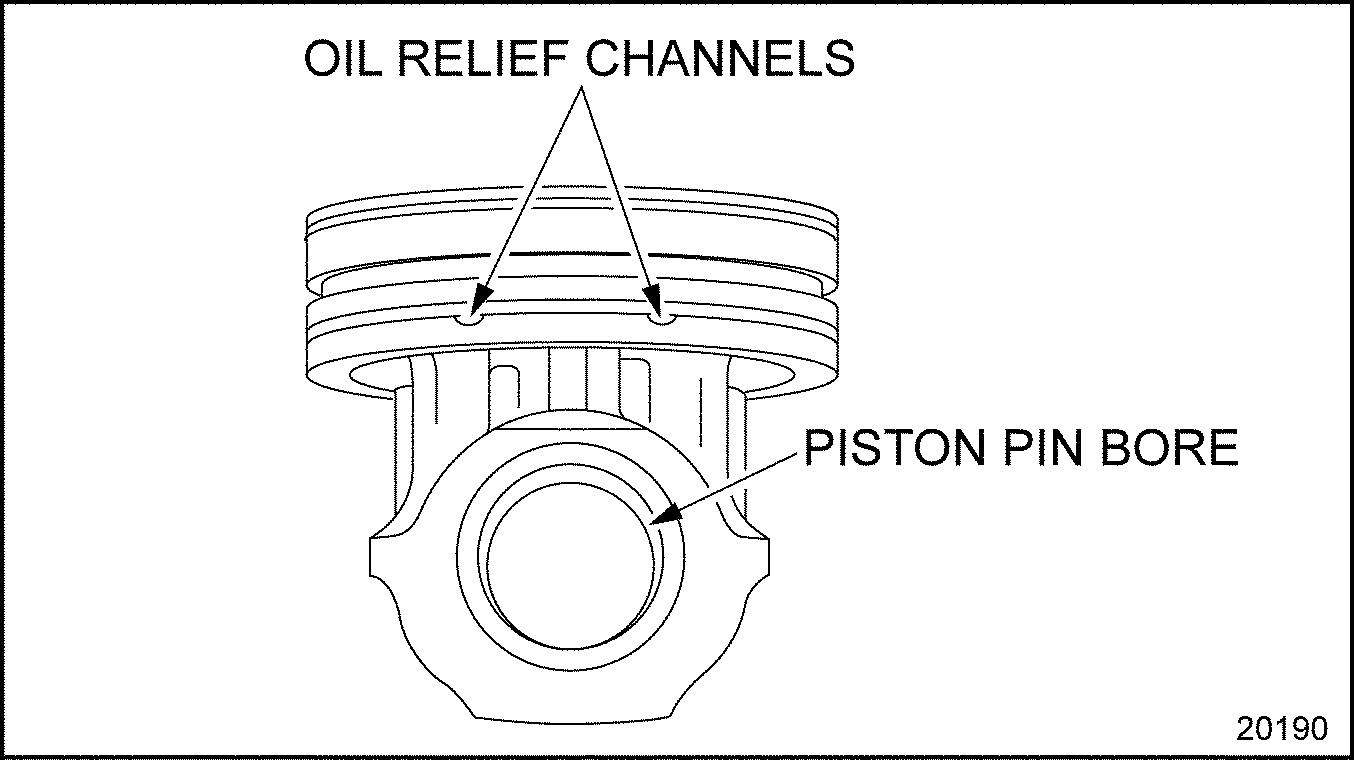
Figure 7. Piston Oil Relief Channels
Two cast iron dome designs have been used in Series 60 engines. The earlier design had a non-serviceable bearing. The piston dome and piston pin bearing of the most recent design are separate parts and may be serviced separately.
Two special bolts and spacers are used to attach the connecting rod to the piston pin.
The solid-core piston pin has a drilled hole through the center to provide lubricating oil to the piston dome for cooling. A threaded hole on each side of the oil hole receives the connecting rod attaching bolts. See Figure "Piston Pin Cross Section" .
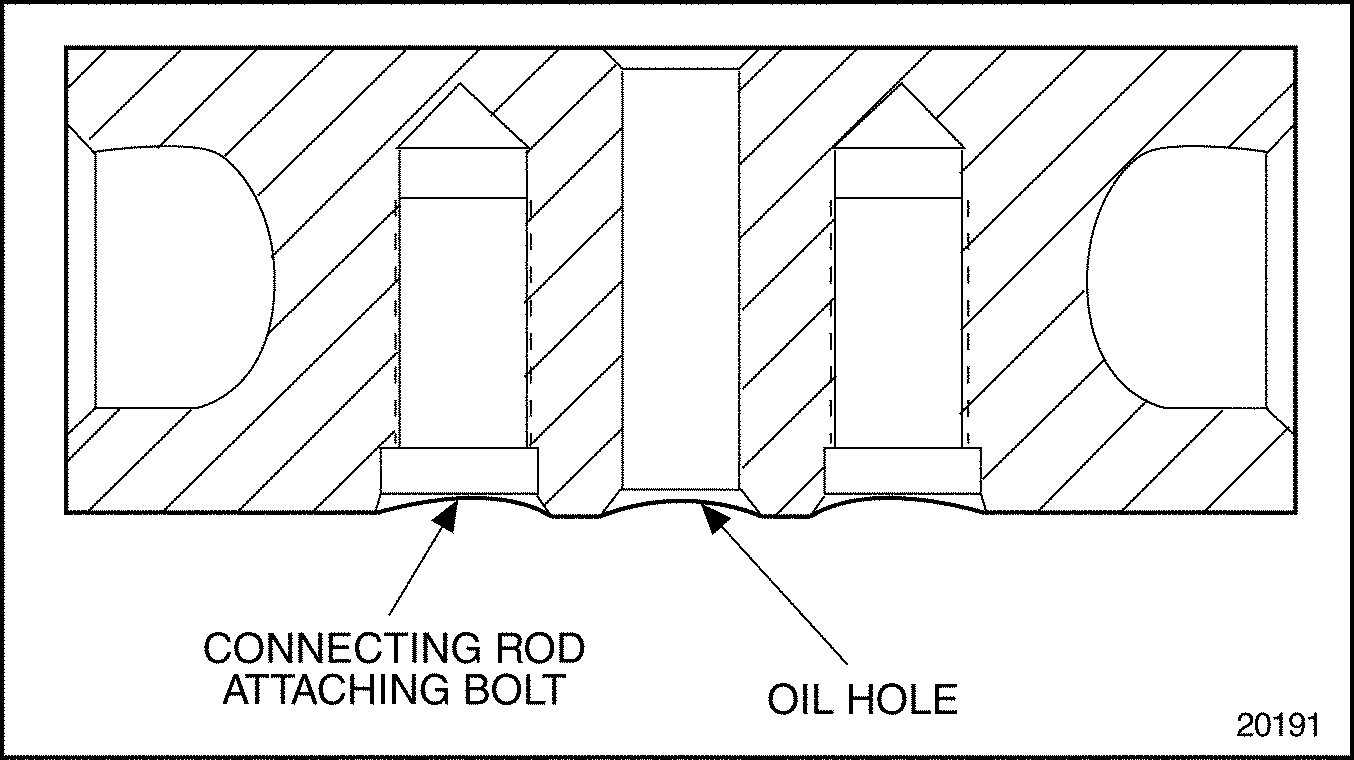
Figure 8. Piston Pin Cross Section
Internal parts of the piston are lubricated and cooled by the engine lubricating oil. Oil is pressure-fed up the drilled passage in the connecting rod, through the piston pin, then through the center hole in the bearing to the underside of the piston dome. A portion of the oil lubricates the piston pin and bearing.
During engine operation, gas loads pushing down on the piston dome are taken directly by the piston pin and bearing. The piston skirt, being separate, is free from vertical load distortion. Thermal distortion is also reduced as the piston dome expands. As the connecting rod swings to one side on the downward travel of the piston, the major portion of the side thrust is taken by the piston skirt.
To determine if repair is possible or replacement is necessary, perform the following procedure. See Figure "Flowchart for Repair or Replacement of Piston and Piston Rings" .
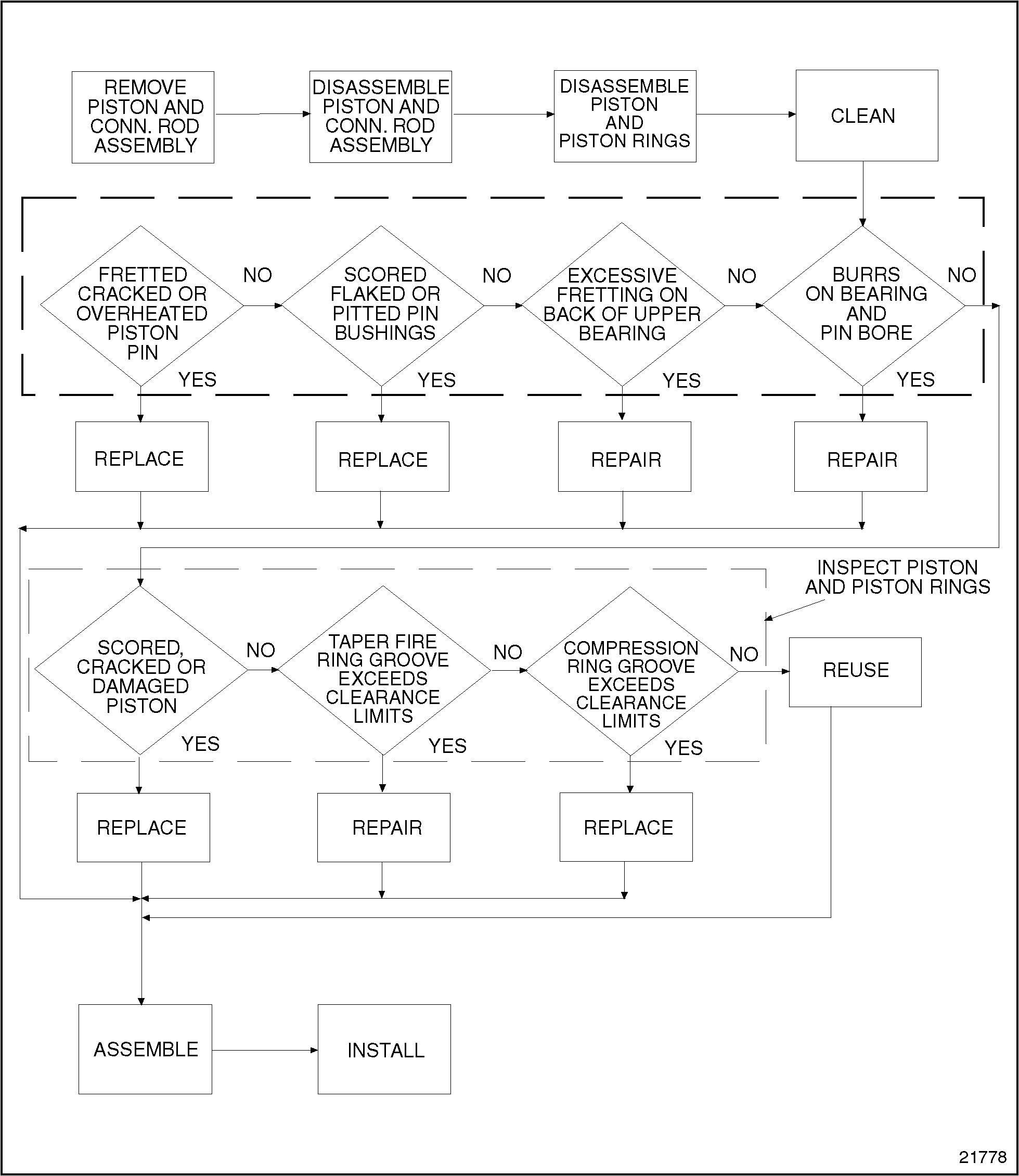
Figure 9. Flowchart for Repair or Replacement of Piston and Piston Rings
Refer to "1.21.2 Removal and Cleaning of Piston and Connecting Rod" for piston and connecting rod assembly removal procedure.
Disassemble the piston and piston rings as follows:
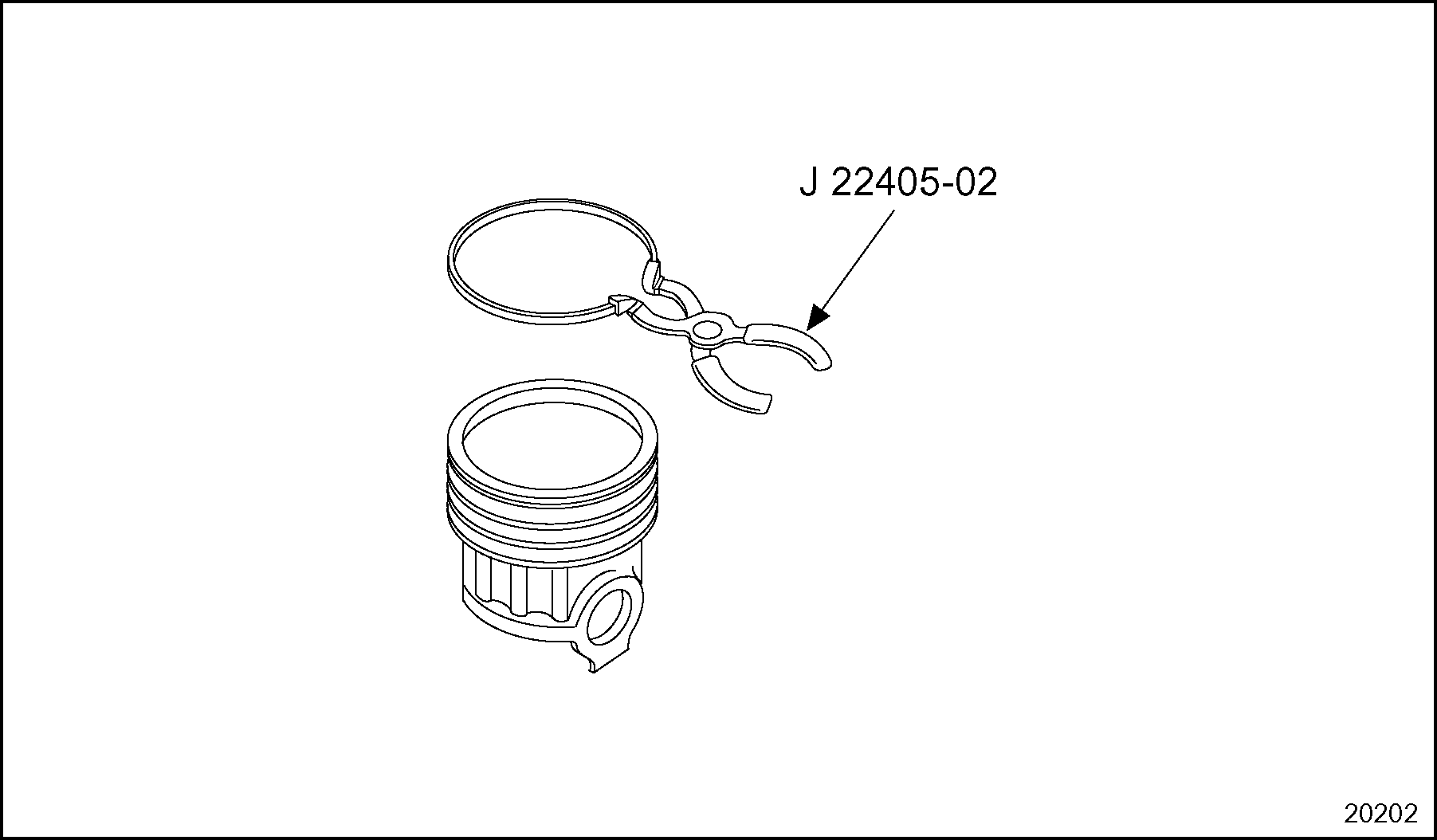
Figure 10. Removal of Piston Rings
NOTICE: |
|
The pin, bushing, skirt and dome must be match-marked to assure proper position and orientation. |
Note: Steel pistons will require the removal of the circlip before withdrawing the piston pin.
Note: Bearings are not serviced separately on steel pistons.
Note: The lower pin bore bearings are removed from the pin bore first, by pushing the bearing legs outward by hand at the split lines from inside the dome saddle ear. The upper bearing may be held in the bore by oil on the back of the bearing, making removal from the pin bore by hand difficult.
 EYE INJURY |
|
To avoid injury from flying debris when using compressed air, wear adequate eye protection (face shield or safety goggles) and do not exceed 276 kPa (40 psi) air pressure. |
NOTICE: |
|
Prying between the bearing back and dome bore may damage the dome saddle bore or raise burrs which will make installation of new bearings difficult. |
DDC recommends that compressed air be directed between the dome pin bore and back of the bearing at one end until the bearing pops up out of the bearing retaining hole.
Clean the piston and piston rings prior to inspection as follows:
NOTICE: |
|
Do not attempt to clean the piston skirt by glass beading. It will remove the tinplating. Do not refinish or polish the piston pin. |
|
EYE INJURY |
|
To avoid injury from flying debris when using compressed air, wear adequate eye protection (face shield or safety goggles) and do not exceed 276 kPa (40 psi) air pressure. |
NOTICE: |
|
After cleaning, do not leave glass beads in the piston dome. Do not allow the glass beading to contact any area of the piston pin bushing or pin bore. Glass beading will remove the tinplating. |
Note: Do not wire-brush the piston skirt.
Inspect the piston and piston rings as follows:
Note: Burn spots may indicate an obstruction in the connecting rod or piston pin oil passage.
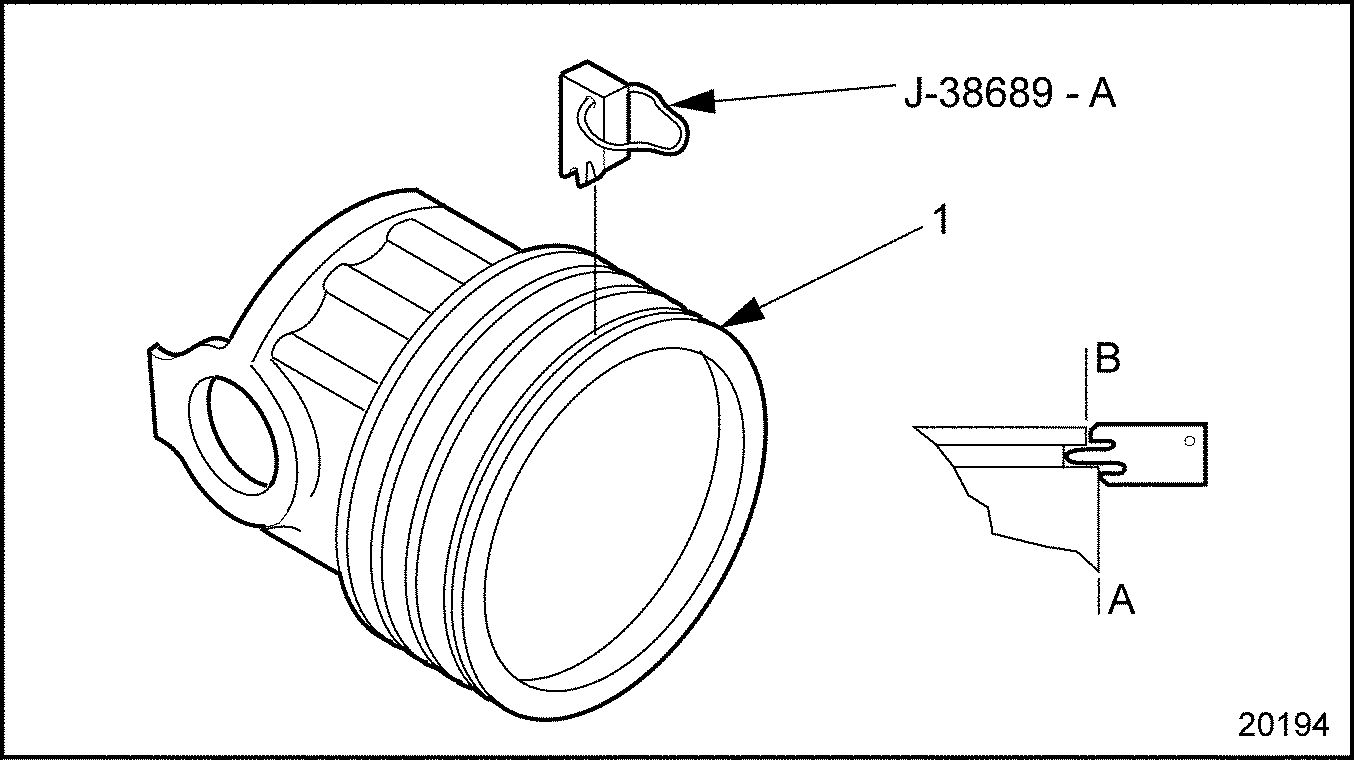
|
1. Fire Ring Groove |
|
Figure 11. Checking Fire Ring Groove
Note: If piston pin used with a cast iron piston is replaced for any reason, the piston pin bushing for that cylinder must also be replaced.
Note: If the piston pin used on steel dome engines is replaced for any reason, the dome must also be replaced for that cylinder.
Note: On steel dome engines, if bearing replacement is necessary then the dome assembly must be replaced as well.
Note: Early second keystroke ring (SKR) design piston domes have an integral piston pin bushing. The piston pin bushing cannot be replaced in these piston domes. If there is distress to the piston pin bushing, the entire piston dome assembly must be replaced, with current cast iron design.
NOTICE: |
|
If a piston pin bushing is replaced for any reason, the piston pin for that cylinder must also be replaced. |
Note: Remove any dirt or debris on the backs of the bearing or dome pin bore that may take up clearance required for bearing or piston pin installation.
Prior to installing the piston rings, the ring gap of each piston ring must be measured.
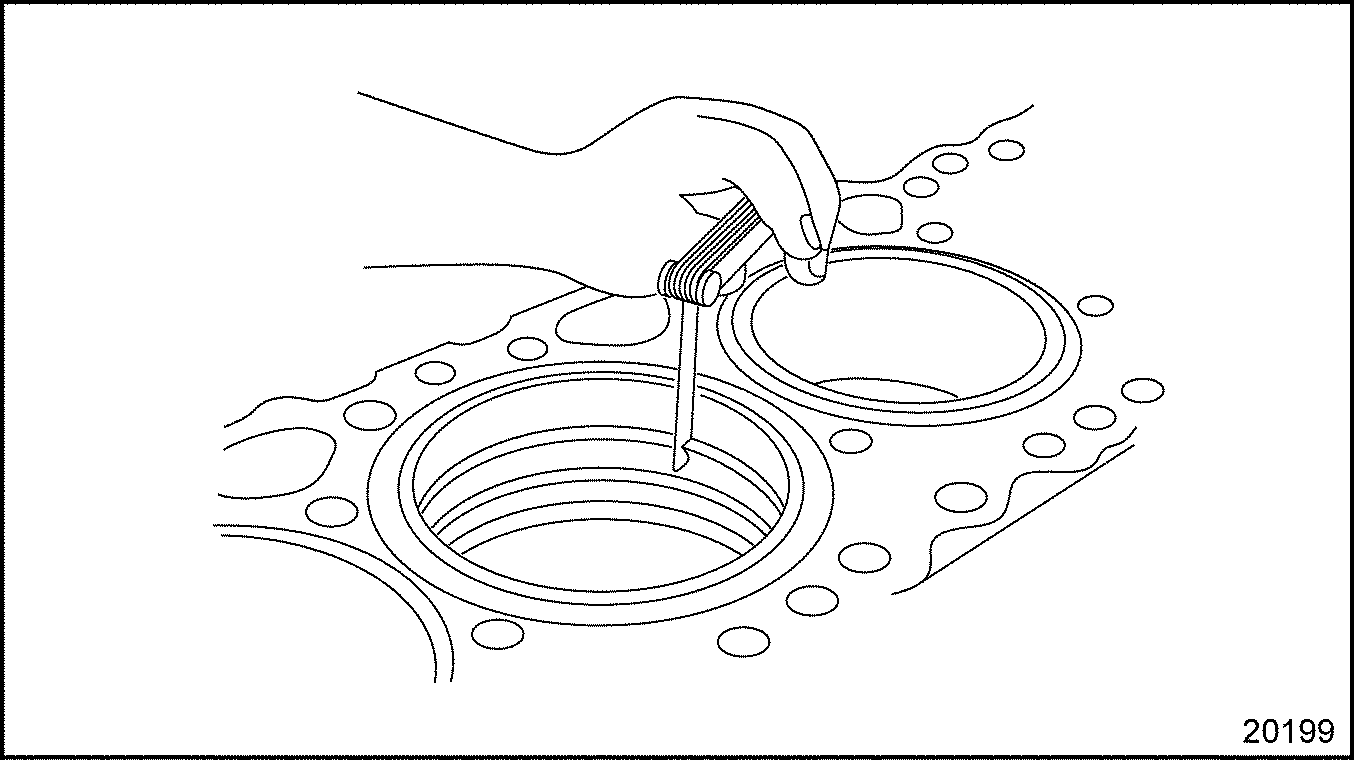
Figure 12. Piston Ring Gap Measurement
|
Ring |
Ring End Gap |
|
Fire Ring (2.5 mm [0.098 in.] chrome) |
0.40 - 0.87 mm (0.016 - 0.034 in.) |
|
14L Fire Ring: 3.0 mm (0.118 in.) |
0.60 - 0.85 mm (0.024 - 0.033 in.) |
|
Fire Ring (3.5 mm [0.138 in.] plasma) |
0.51 - 0.87 mm (0.020 - 0.034 in.) |
|
Compression Ring |
0.81 - 1.31 mm (0.032 - 0.051 in.) |
|
14L Compression Ring |
0.63 - 0.98 mm (0.025 - 0.039 in.) |
|
Oil Control Ring |
0.40 - 0.81 mm (0.016 - 0.032 in.) |
|
14L Oil Control Ring |
0.21 - 0.51 mm (0.008 - 0.020 in.) |
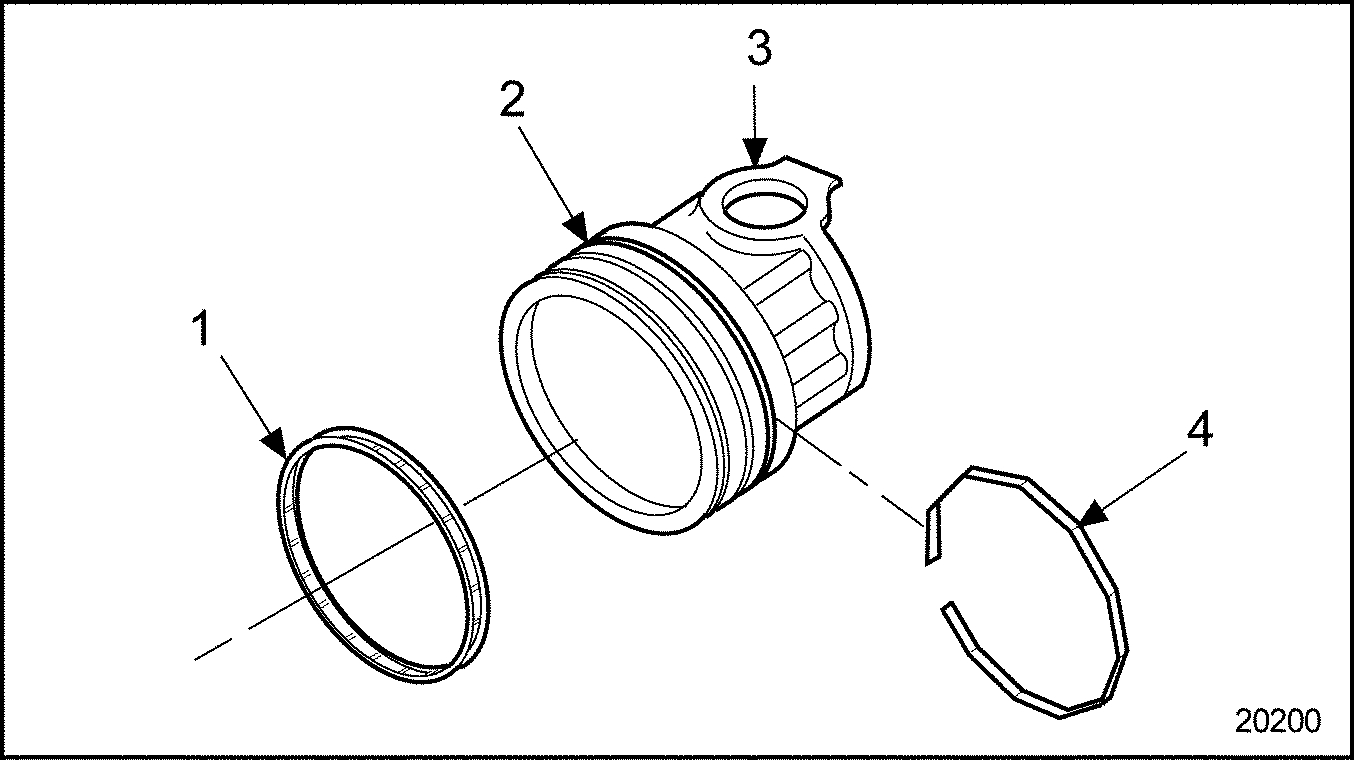
Assemble the piston and piston pin rings as follows:
|
1. Oil Control Ring |
3. Piston |
|
2. Oil Control Ring Groove |
4. Oil Control Ring Expander |
Figure 13. Piston Ring Installation (Diesel)
Note: The oil control ring may be installed in either direction.
Note: Install expander into inside diameter groove of ring with expander spring gap located 180° from the oil control ring gap.

Figure 14. Oil Control Ring Installation (Diesel)
Note: The oil control ring expander has a white paint stripe. Make sure the paint mark can be seen after the oil control ring is installed at ring gap.
Install the fire and compression rings as follows:
NOTICE: |
|
To avoid breaking or overstressing the rings, do not spread them any more than necessary to slip them over the piston dome. |
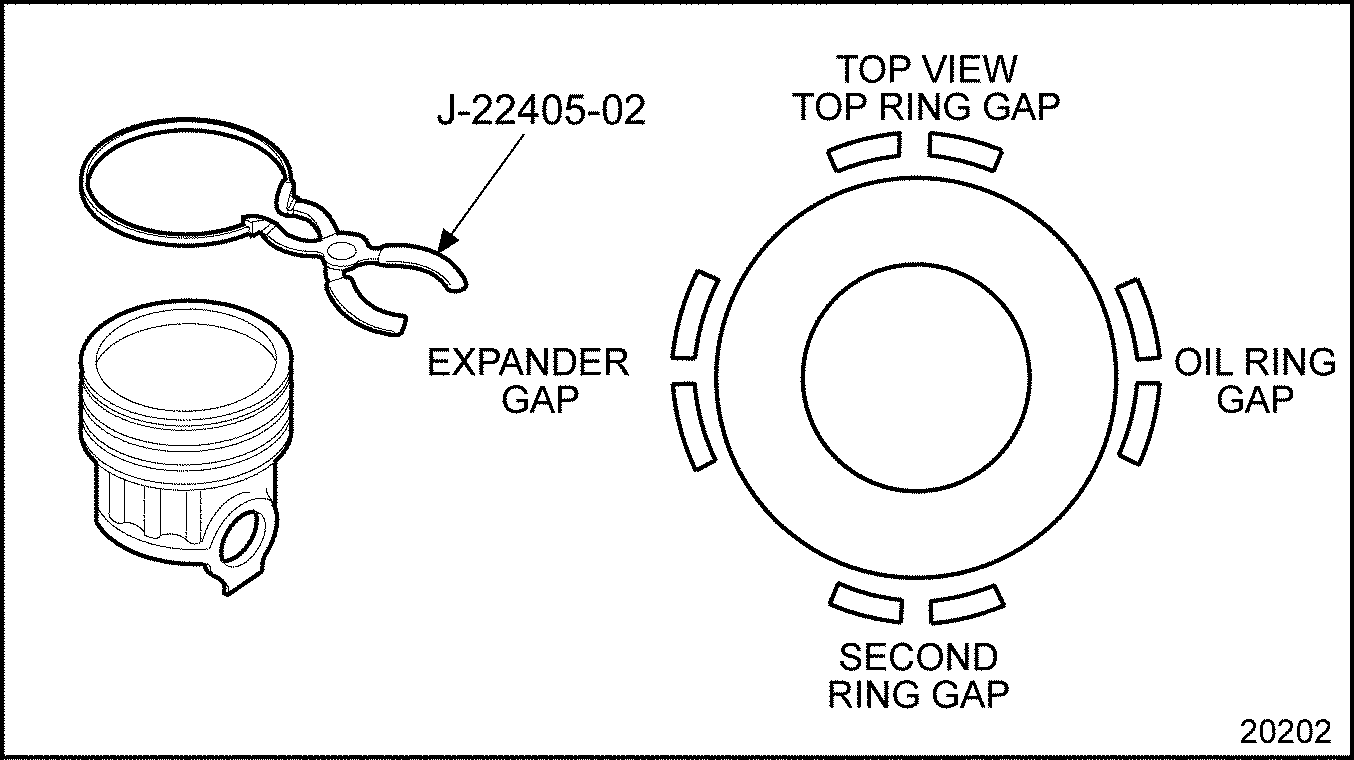
Figure 15. Piston Ring Positioning (Diesel)
Install the oil control ring for the Series 60G engine as follows:
Note: The expander and both rails may be installed with either side up. There is no "football" mark on any of the three oil ring components for natural gas engines.
Install the compression and fire ring for the Series 60G engine as follows:

Figure 16. Installation of Compression Ring
Figure 17. Top View of Piston Dome
| Series 60 Service Manual - 6SE483 |
| Generated on 10-13-2008 |