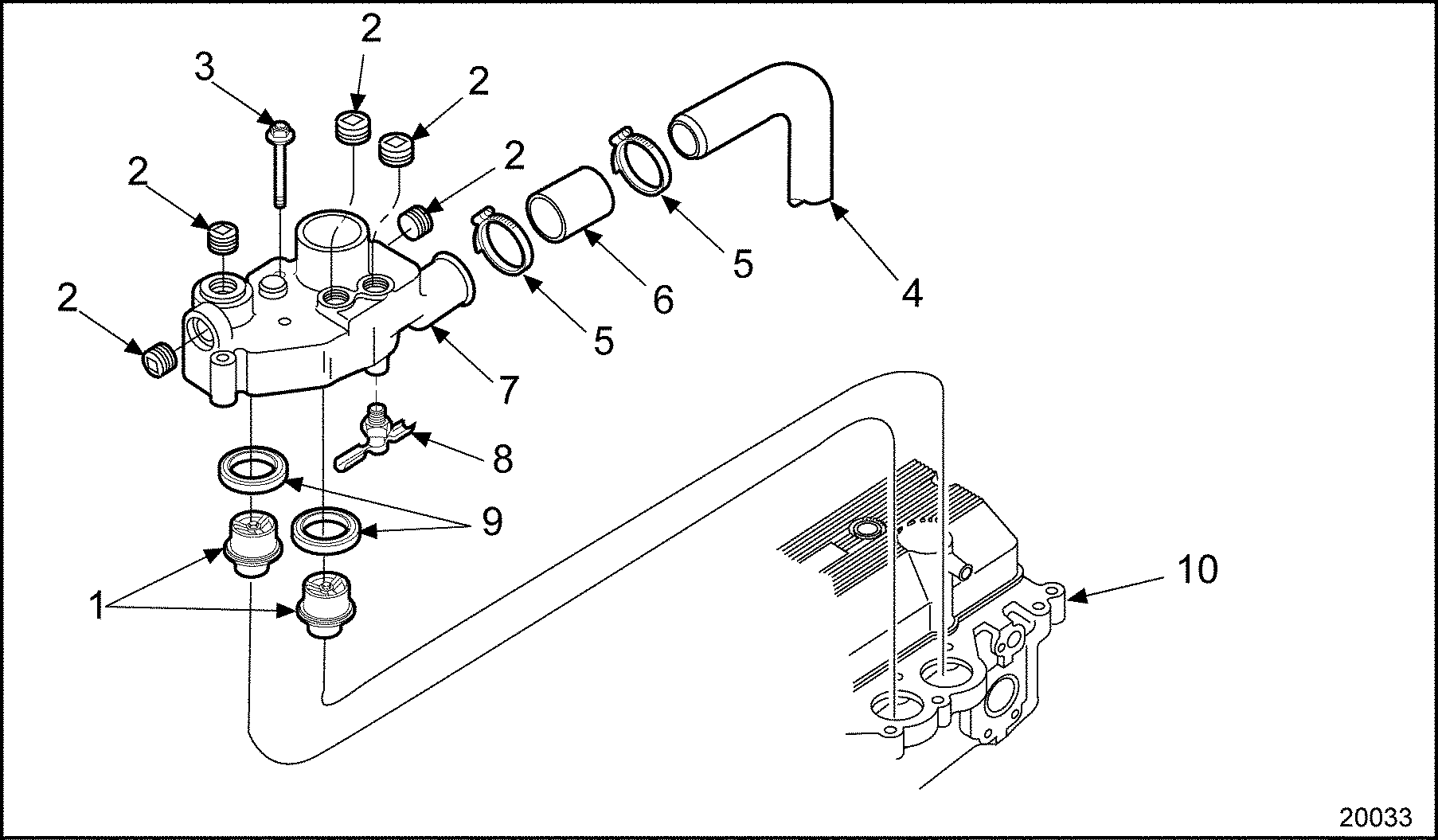
The temperature of the engine coolant is controlled by two blocking-type thermostats located in a housing attached to the right side of the cylinder head. See Figure "Thermostat and Related Parts" .
|
1. Thermostat (2) |
6. Hose, Coolant |
|
2. Pipe Plug |
7. Thermostat Housing |
|
3. Bolt, Thermostat Housing-to-Cylinder Head (4) |
8. Drain Cock |
|
4. Bypass Tube |
9. Seal, Thermostat Housing (2) |
|
5. Hose Clamp (2) |
10. Cylinder Head |
Figure 1. Thermostat and Related Parts
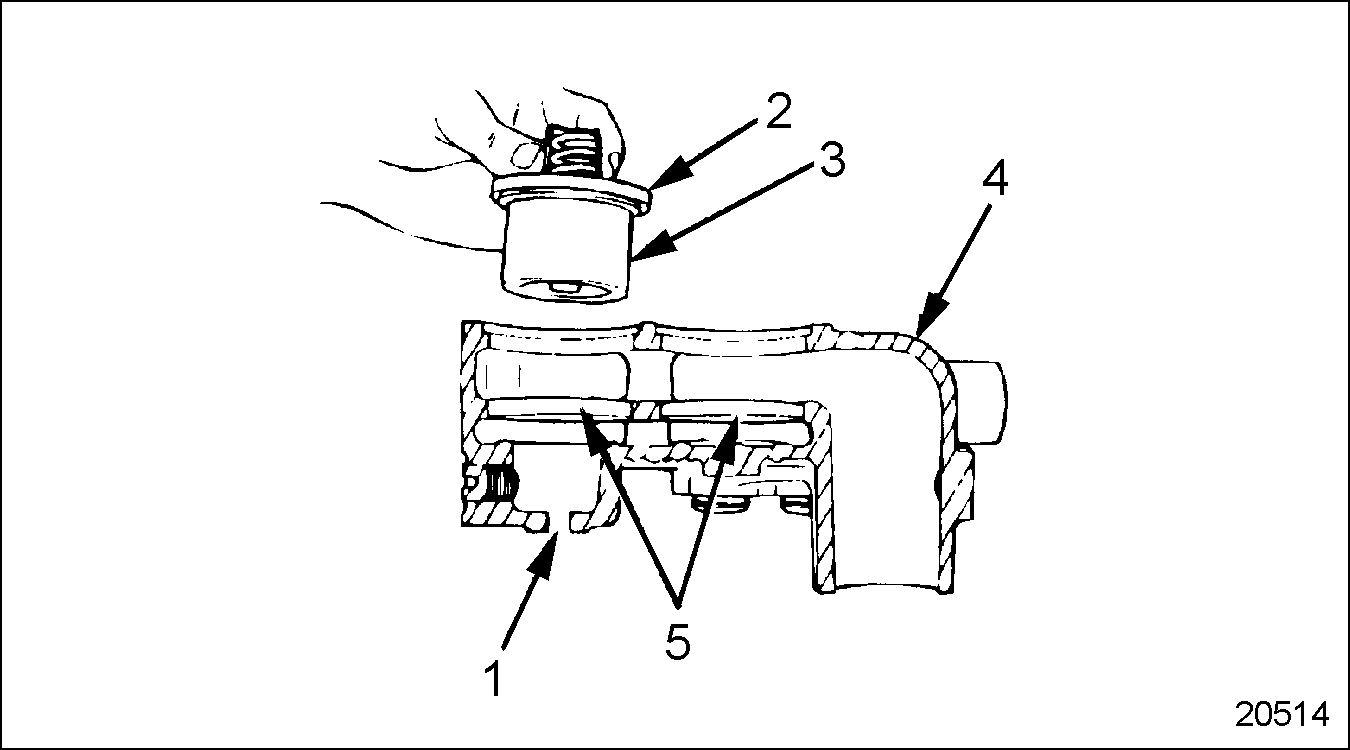
In addition to a rubber seal that is part of the thermostat, there is a lip-type seal for each thermostat that is installed in a bore in the thermostat housing. See Figure "Thermostat Seals" .
|
1. Connection Opening, Vent Line |
4. Thermostat Housing |
|
2. Seal, Thermostat (2) |
5. Seals, Thermostat Housing (2) |
|
3. Thermostat (2) |
|
Figure 2. Thermostat Seals
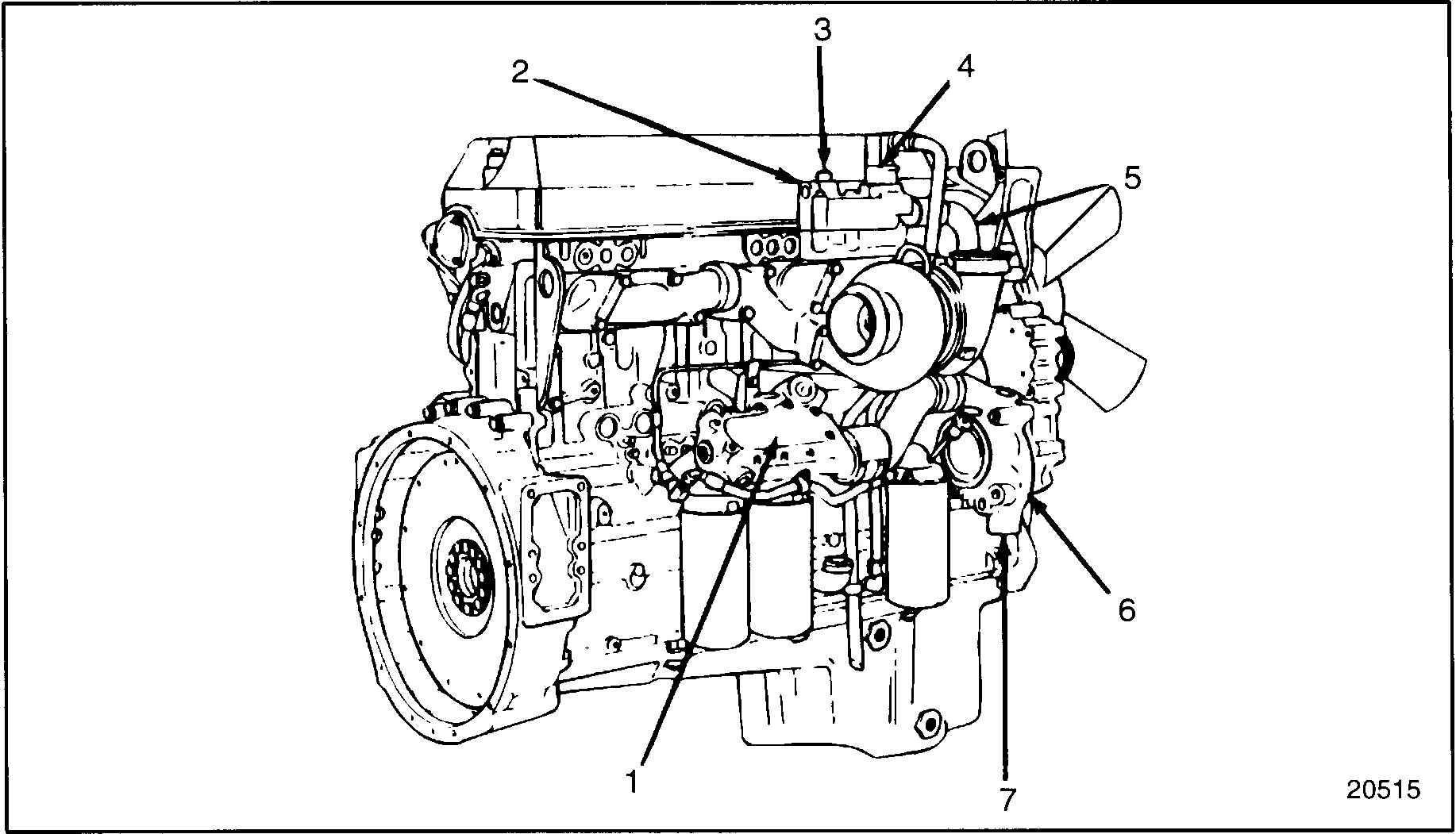
At coolant temperatures below approximately 86 - 89°C (187 - 192°F) for vehicle the thermostat valves remain closed and block the flow of coolant from the engine to the radiator or heat exchanger. During this period, all of the coolant in the system is recirculated through the engine and is directed back to the suction side of the water pump via a bypass tube. As the coolant temperature rises above 86 - 89°C (187 - 192°F) for vehicle engines, the thermostat valves start to open, restricting the bypass system, and allowing a portion of the coolant to circulate through the radiator or heat exchanger. When the coolant temperature reaches approximately 97°C (207°F) the thermostat valves are fully open; the bypass system is blocked off, and the coolant is directed through the radiator or heat exchanger. See Figure "Cooling System Operation" .
|
1. Oil Cooler Housing |
5. Water Bypass Tube |
|
2. Thermostat Housing |
6. Water Pump |
|
3. Vent Line Outlet |
7. Water Inlet |
|
4. Water Outlet (To Radiator) |
|
Figure 3. Cooling System Operation
Properly operating thermostats are essential for efficient operation of the engine. If the engine operating temperature deviates from the normal range of 86 - 99°C (187-210°F), inspect and replace the thermostats, if necessary.
To determine if repair or replacement of the thermostat is necessary, perform the following procedure. See Figure "Flowchart for Repair or Replacement of Thermostats" .
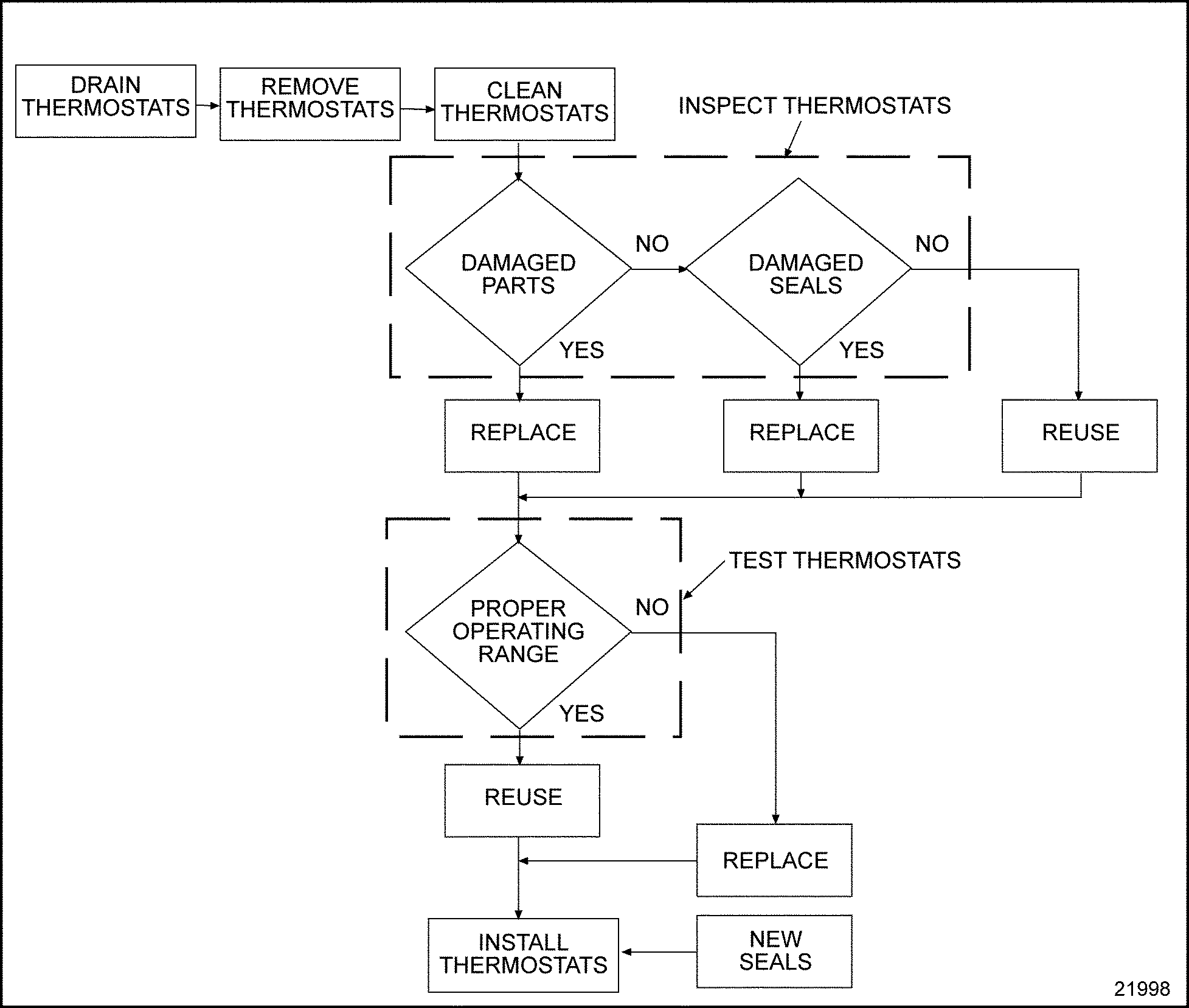
Figure 4. Flowchart for Repair or Replacement of Thermostats
Drain the thermostats as follows:
 HOT COOLANT |
|
To avoid scalding from the expulsion of hot coolant, never remove the cooling system pressure cap while the engine is at operating temperature. Wear adequate protective clothing (face shield, rubber gloves, apron, and boots). Remove the cap slowly to relieve pressure. |
Remove the thermostats as follows:
Inspect thermostats as follows:
Clean the thermostats as follows:
|
EYE INJURY |
|
To avoid injury from flying debris when using compressed air, wear adequate eye protection (face shield or safety goggles) and do not exceed 276 kPa (40 psi) air pressure. |
Check the operation of a thermostat as follows:
NOTICE: |
|
Ensure thermostat is operational. If thermostat motion becomes impaired, overheating may result. An engine which has overheated may also cause the thermostats to become inoperative. A thermostat stuck in the open position may not allow the engine to reach normal operating temperature. The incomplete combustion of fuel due to cold operation will result in build-up of carbon deposits on the pistons, rings and valves. A thermostat that does not fully open may cause engine overheating. |
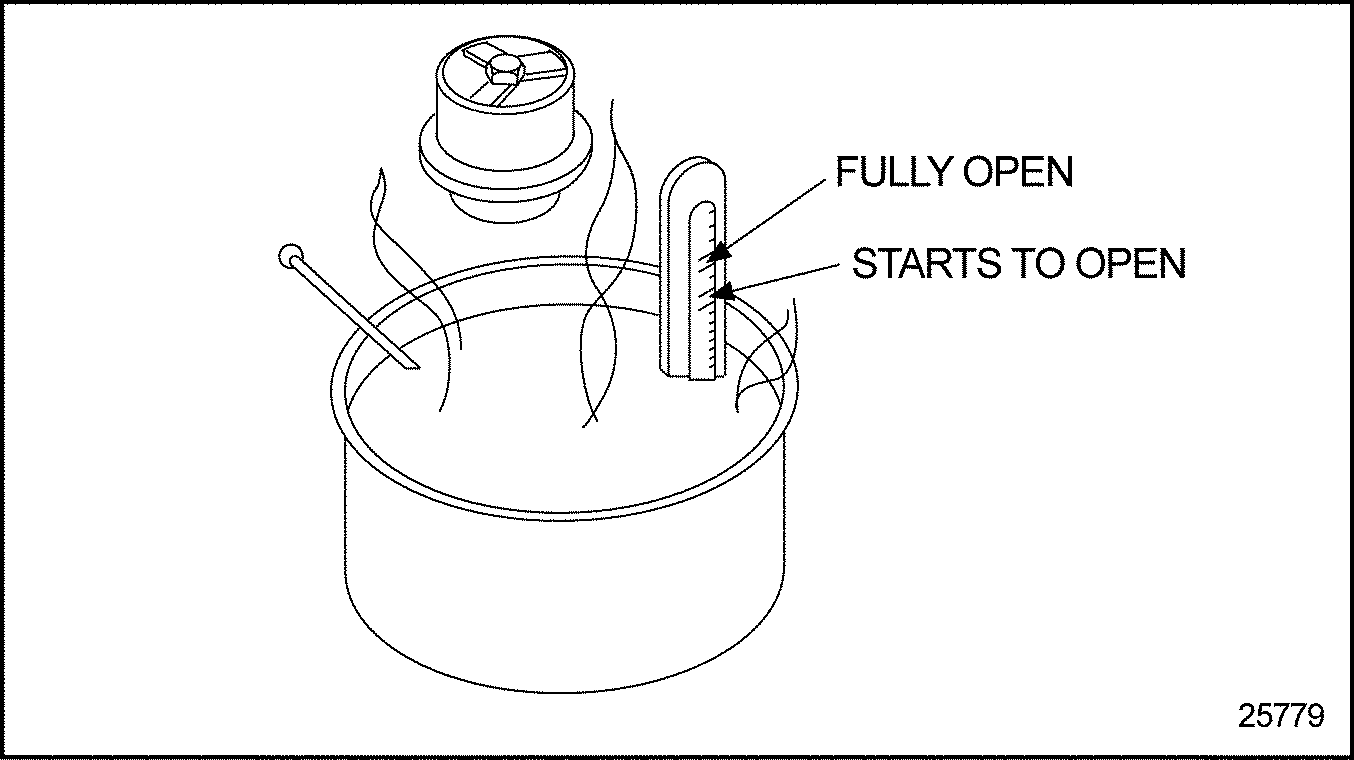
Figure 5. Checking Thermostat Operation
|
HOT COOLANT |
|
To avoid scalding from the expulsion of hot coolant, never remove the cooling system pressure cap while the engine is at operating temperature. Wear adequate protective clothing (face shield, rubber gloves, apron, and boots). Remove the cap slowly to relieve pressure. |
|
Nominal Opening Temperature (Stamped on the Thermostat) |
Thermostat Start-to-Open Temperature Range |
Fully Open Temperature |
|
71°C (160°F) |
69-73°C (156-163°F) |
82°C (179°F) |
|
82°C (180°F) |
80-84°C (176-183°F) |
92°C (197°F) |
|
88°C (190°F) |
86-89°C (186-193°F) |
97°C (207°F) |
Install new thermostats as follows:
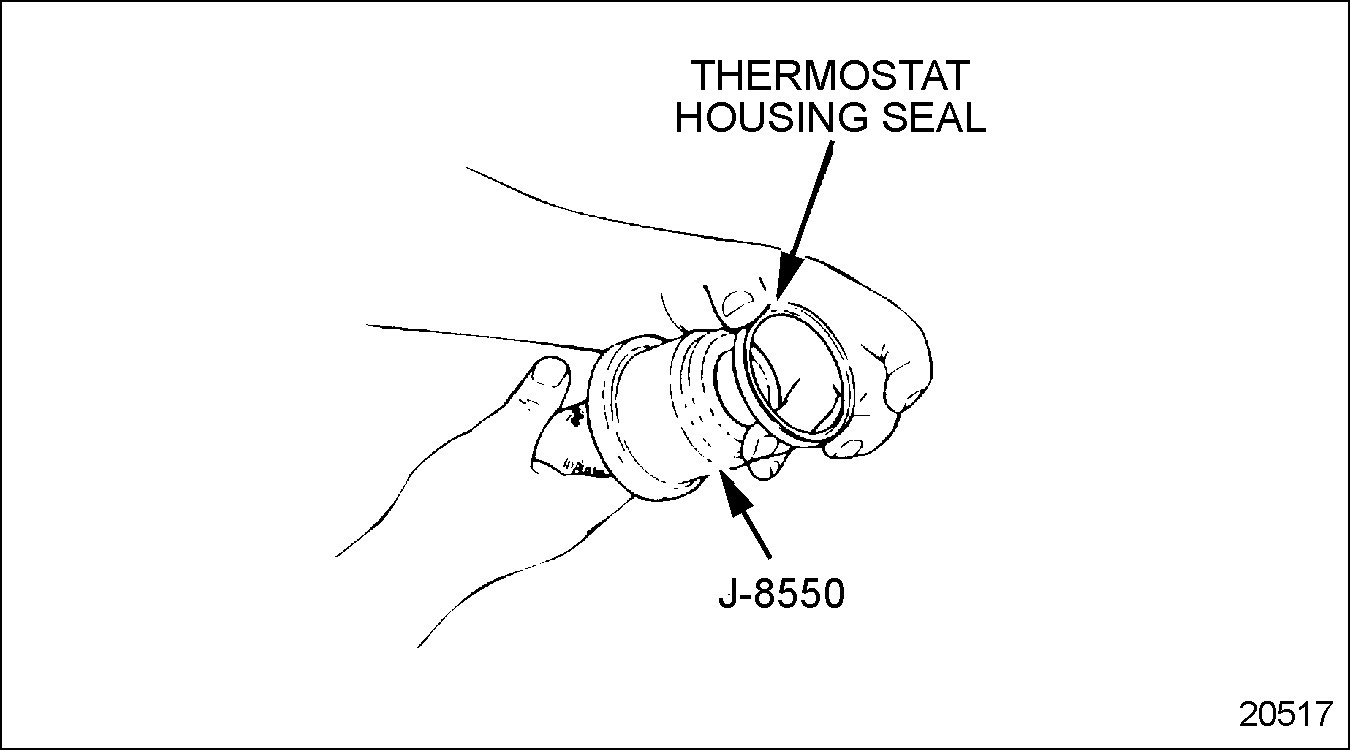
Figure 6. Positioning the Seal onto Seal Installer
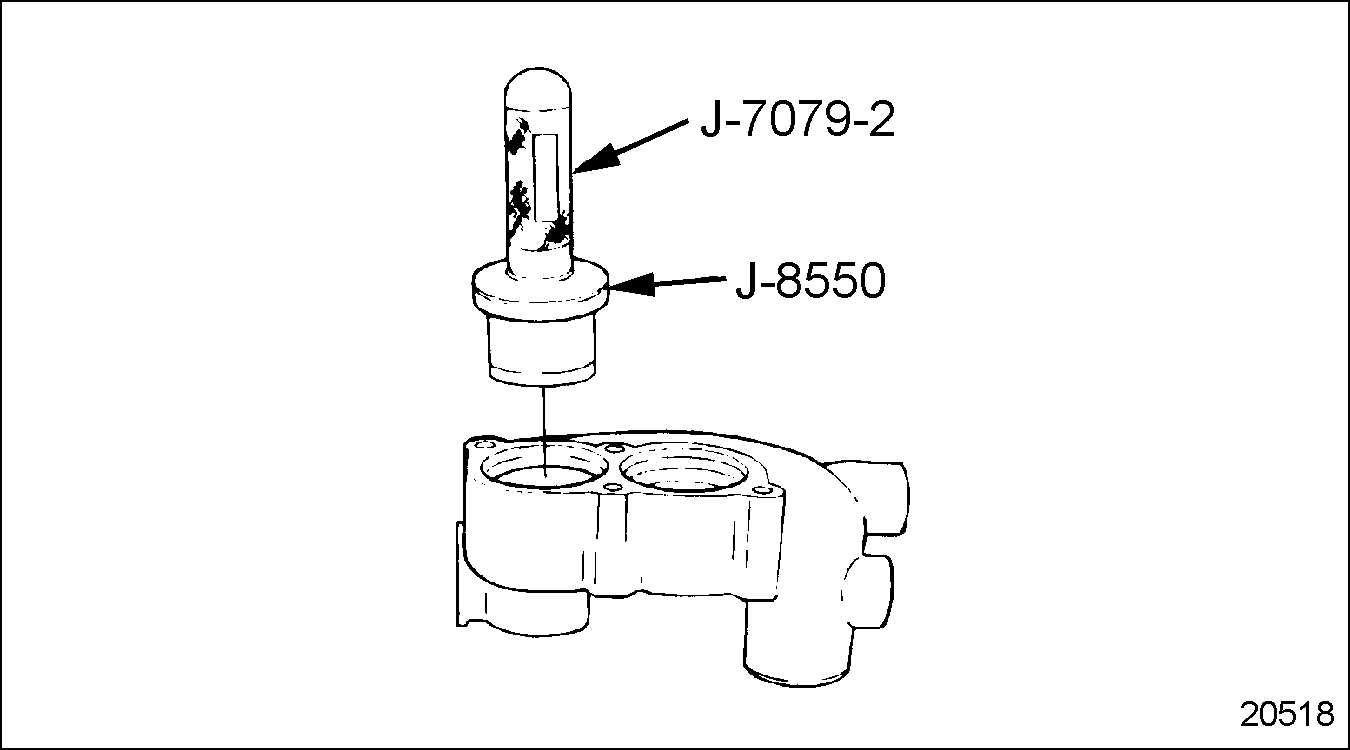
Figure 7. Thermostat Housing Seal Insertion
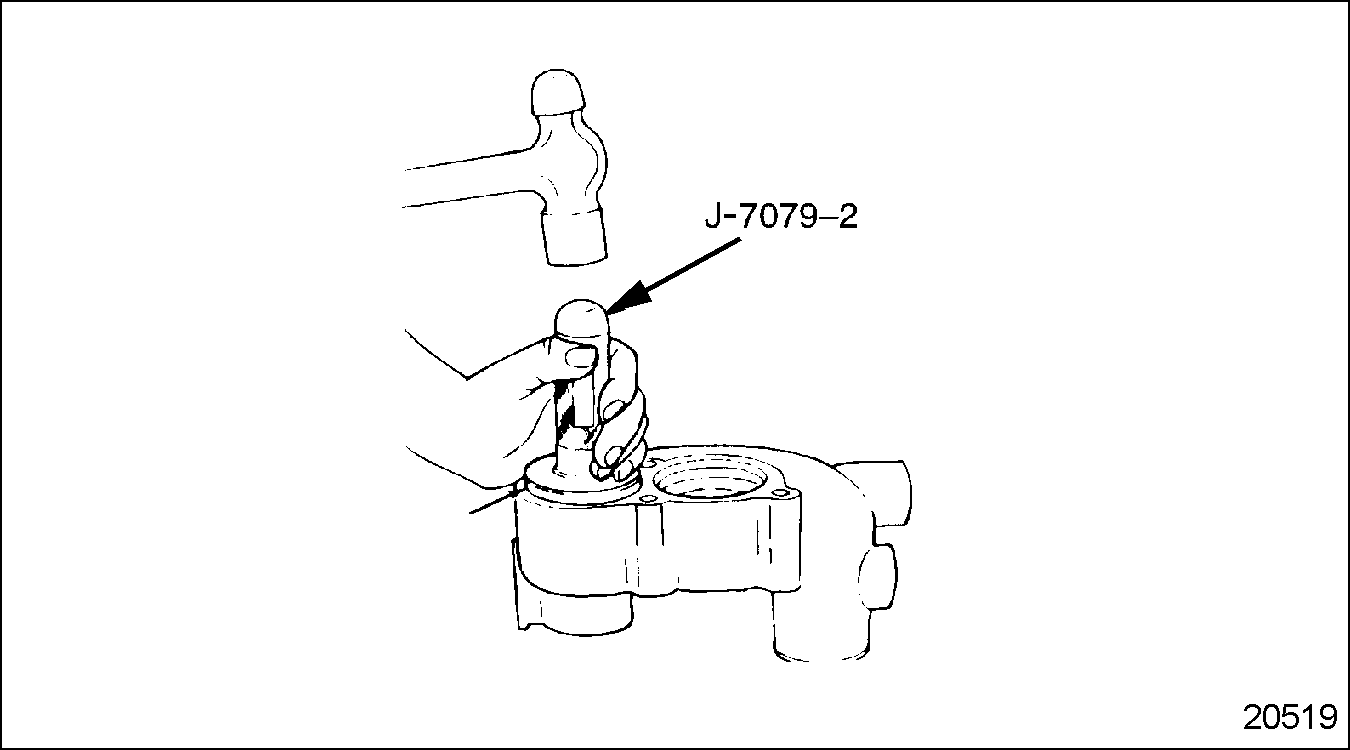
Figure 8. Thermostat Housing Seal Installation
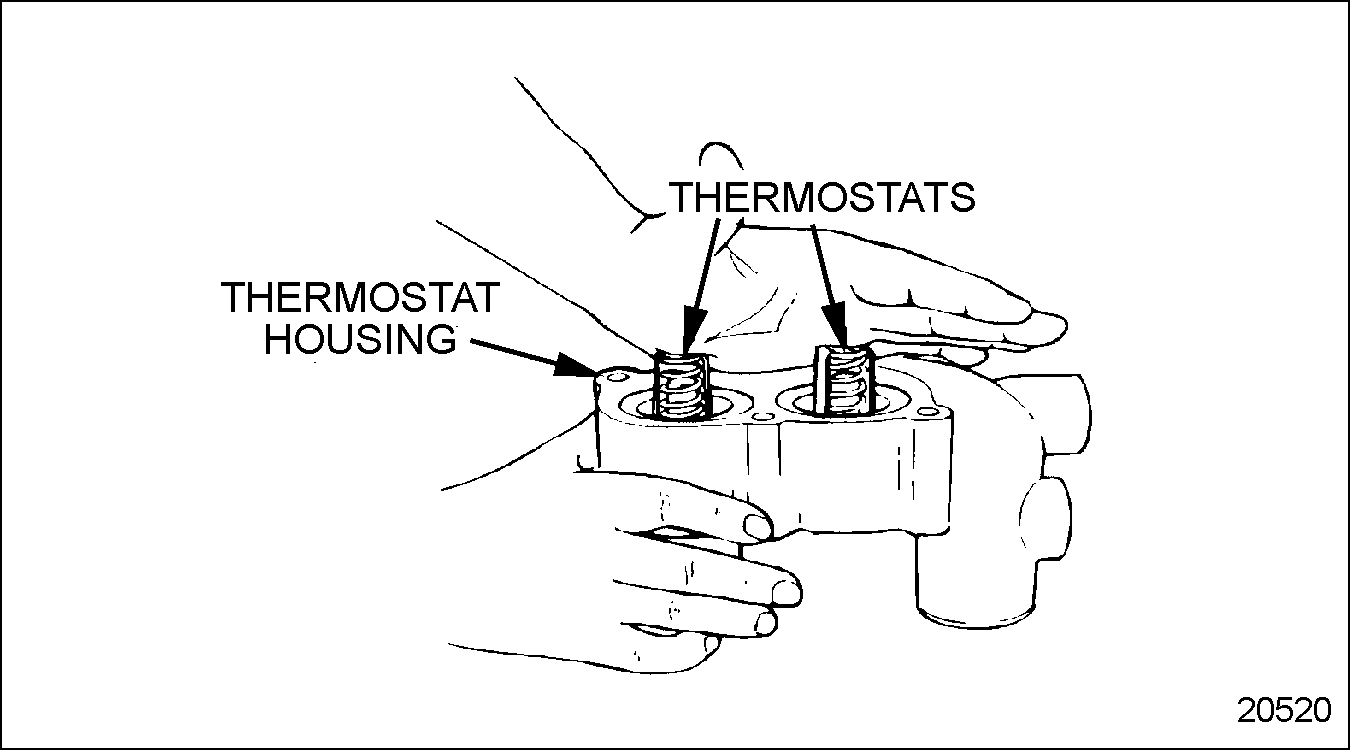
Figure 9. Seating Thermostats
| Series 60 Service Manual - 6SE483 |
| Generated on 10-13-2008 |