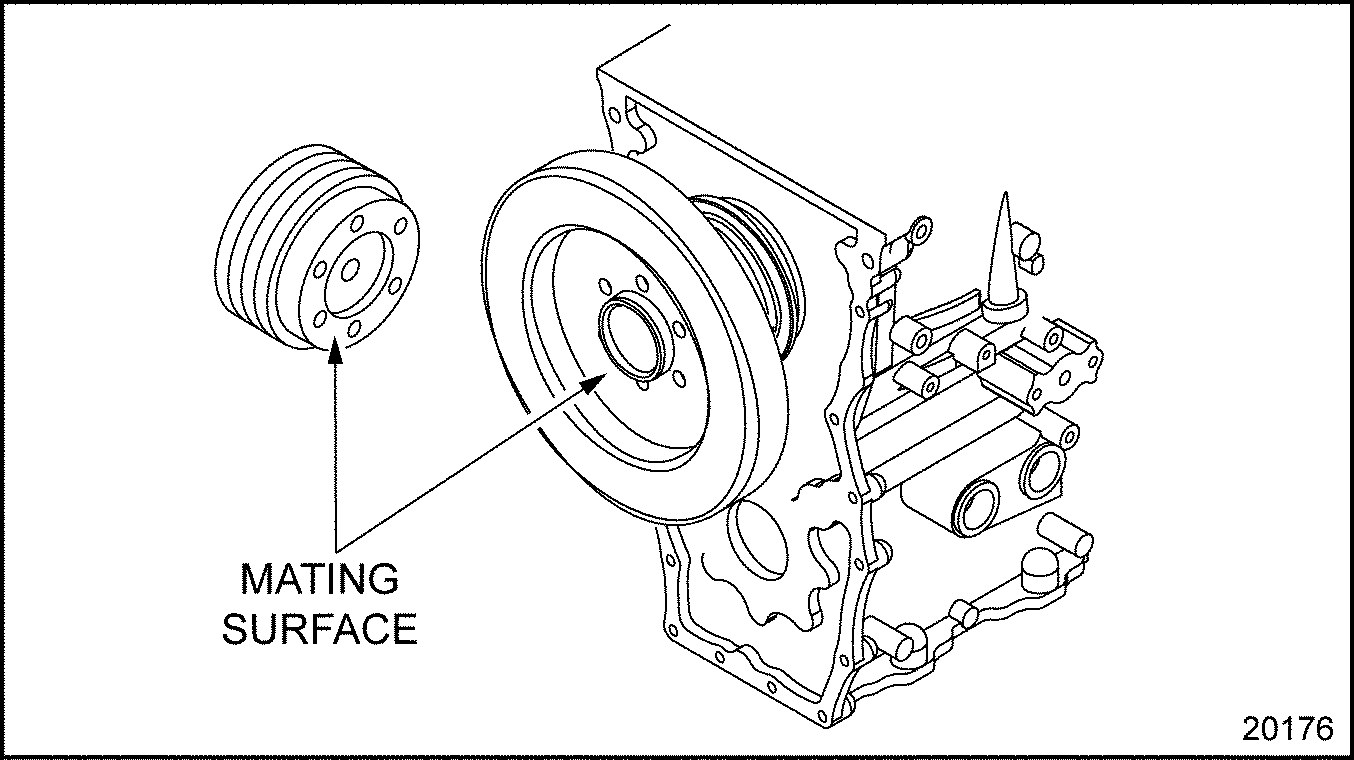
Two crankshaft pulley arrangements exist. Some early engines were built with a pulley, a crankshaft pulley hub and woodruff keys. Later engines are built with the crankshaft pulley bolted directly to the crankshaft.
For the crankshaft pulley bolted directly to the crankshaft, see Figure
"Crankshaft Pulley Mounted Directly to the Crankshaft"
. In this case the pulley is attached to the crankshaft with six special bolts and washers. The vibration damper is clamped between the crankshaft pulley and the crankshaft.
Note: Do not substitute any other bolts or washers. The crankshaft pulley bolts and washers are special parts. These bolts are not reusable.
Figure 1. Crankshaft Pulley Mounted Directly to the Crankshaft
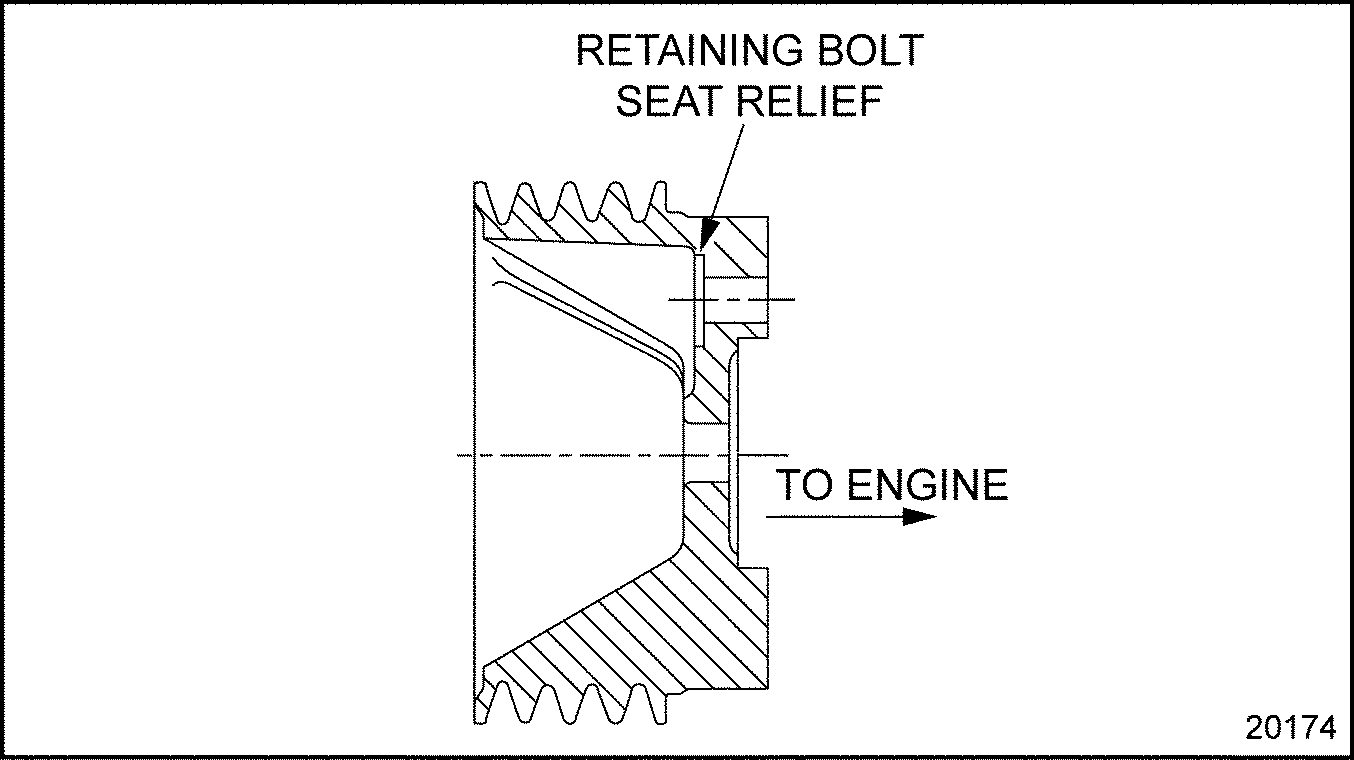
The crankshaft pulley is of the rigid design. Six bolt holes through the pulley are equally spaced. A relief area is machined around each bolt hole and acts as a seating surface for the hardened washers. See Figure
"Crankshaft Pulley Cross-Section"
.
Figure 2. Crankshaft Pulley Cross-Section
Four 12.7 mm (0.50 in.) vee-type grooves in the crankshaft pulley provide drive belt seating surfaces.
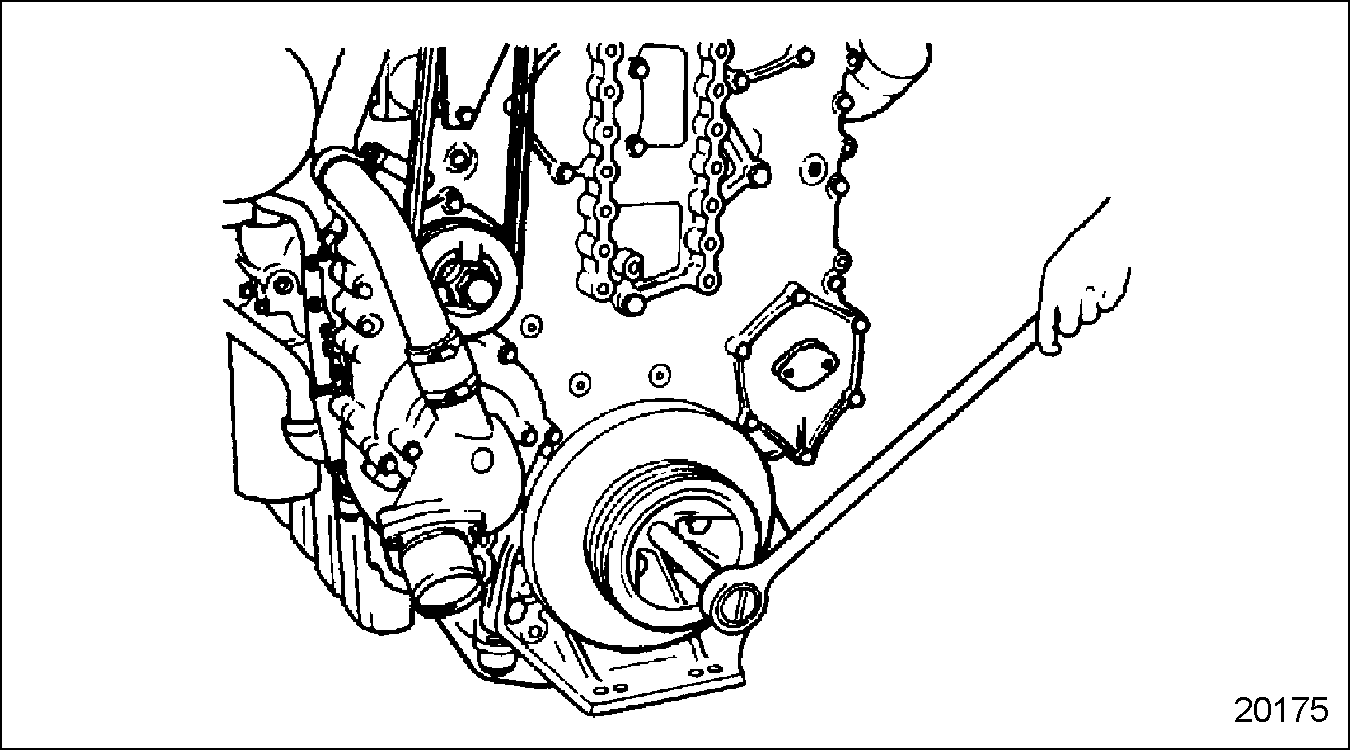
A 3/4 in. square drive hole in the center of the crankshaft pulley allows the use of a 3/4 in. drive breaker bar or ratchet for barring the engine over. See Figure
"Barring Engine Over"
.
Figure 3. Barring Engine Over
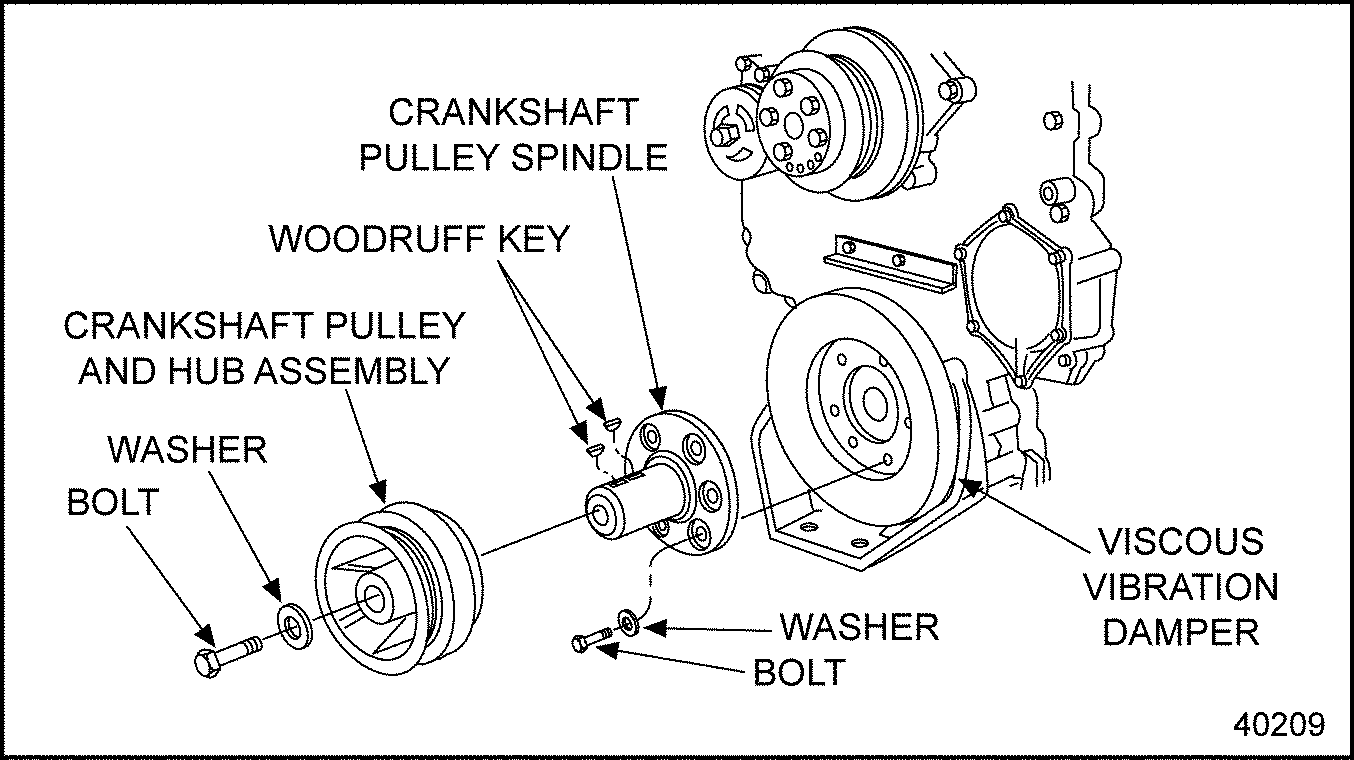
For the crankshaft pulley and hub assembly with spindle, see Figure
"Crankshaft Pulley and Hub Assembly Installation with Spindle"
. The spindle is attached to the crankshaft with six special bolts and washers, which also secure the vibration damper to the crankshaft. Two woodruff keys and the crankshaft pulley bolt secure the crankshaft pulley and hub assembly to the spindle.
Note: Do not substitute any other bolts or washers. The spindle bolts and washers are special parts. These bolts are not reusable.
Figure 4. Crankshaft Pulley and Hub Assembly Installation with Spindle
The spindle has six equally spaced mounting holes. A relief area is machined around each bolt hole and acts as a seating surface for the hardened washers. See Figure
"Crankshaft Pulley Spindle"
.
Thread the center screw of the tool in until the top of the tool rests between two teeth of the flywheel ring gear.
Note: It may be necessary to bar the engine over (using the square hole in the middle of the crankshaft pulley) so that the tool center screw is exactly between two teeth.
Figure 7. Crankshaft Pulley Mounted Directly to the Crankshaft
Install two guide studs (J–36235)
to the holes where the bolts were removed.
NOTICE:
Use care when removing the crankshaft pulley as the vibration damper, which is slip fitted over a pilot diameter of the crank, may come off. If the damper is allowed to fall, internal damage to the damper will result.
Remove the remaining four crankshaft pulley bolts and hardened washers. Discard the bolts. These bolts are not reusable.
Remove the crankshaft pulley by sliding it off the guide studs.
Note: Leave the guide studs in place to prevent the vibration damper from falling off.
Remove the spindle-mounted pulley and hub assembly as follows:
Remove the drive belts from the crankshaft pulley.
Remove the inspection plug in the bottom of the flywheel housing.
Figure 9. Crankshaft Pulley and Hub Assembly Installation with Spindle
With the pulley properly supported, remove the bolt and washer and pull the pulley and hub assembly off of the spindle.
Remove two of the six spindle-to-crankshaft attaching bolts and hardened washers that are 180 degrees apart. Discard the bolts. These bolts are not reusable.
Install two guide studs (J–36325)
to the holes from which the bolts were removed.
NOTICE:
Use care when removing the spindle as the vibration damper, which is slip fitted over a pilot diameter of the crank, may come off. If the damper is allowed to fall, internal damage to the damper will result.
Remove the remaining four spindle attaching bolts and hardened washers. Discard all six bolts. These bolts are not reusable.
Remove the spindle by sliding it off the guide studs.
Note: Leave the guide studs in place to prevent the vibration damper from falling off.
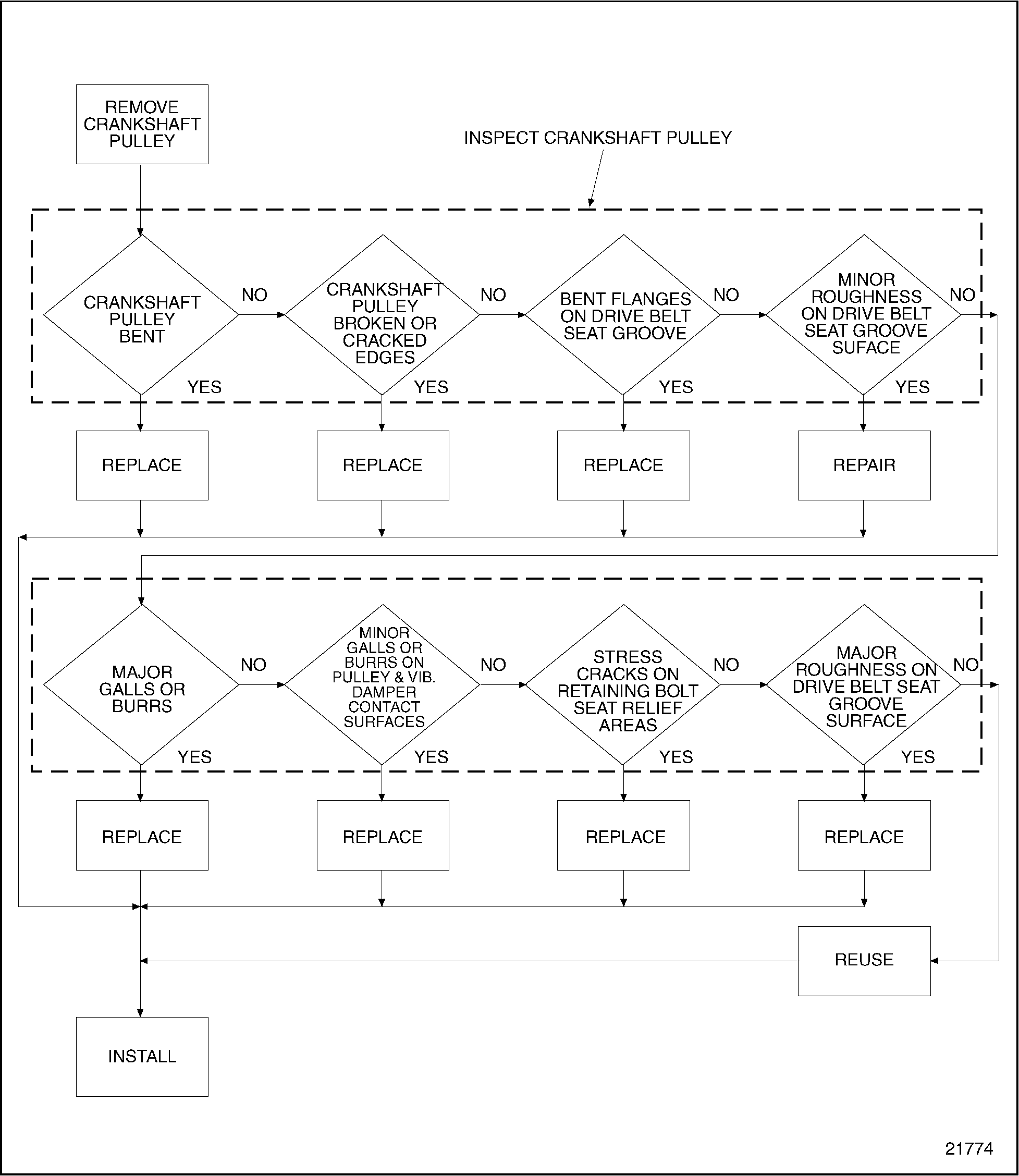
Section 1.15.2.1 Inspection of Crankshaft Pulley or Spindle and Crankshaft Pulley and Hub Assembly
Inspect the crankshaft pulley, spindle or hub assembly components as follows:
Inspect the crankshaft pulley or spindle and crankshaft pulley and hub assembly.
NOTICE:
A loose or bent crankshaft pulley or spindle, after extended operation, may result in a cracked crankshaft.
Determine if the crankshaft pulley or spindle is bent, broken or has cracked edges.
Thread the center screw of the tool until the tip of the tool rests between two teeth of the flywheel ring gear.
Note: It may be necessary to bar the engine slightly using engine barring tool (J–36237)
so that the tool center screw is exactly between two teeth.
Finger-tighten the knurled knob.
NOTICE:
Use care when installing the crankshaft pulley as the vibration damper, which is slip fitted over a pilot diameter of the crank, may come off. If the damper is allowed to fall, internal damage to the damper will result.
Install two guide studs to two of the holes in the crankshaft that are 180 degrees apart.
Install the crankshaft pulley over the guide studs and onto the crankshaft. The crankshaft pulley may be installed in any position.
NOTICE:
Crankshaft pulley and spindle mounting blots are considered single-use items and must not be reused.
Always use new bolts when mounting the crankshaft pulley or spindle. Reusing bolts may result in excessive bolt stretch during installation, leading to breakage or loss of bolt torque and loosening during engine operation, which may cause severe damage.
Use care when installing the crankshaft pulley spindle as the vibration damper, which is slip fitted over a pilot diameter of the crank, may come off. If the damper is allowed to fall, internal damage to the damper will result.