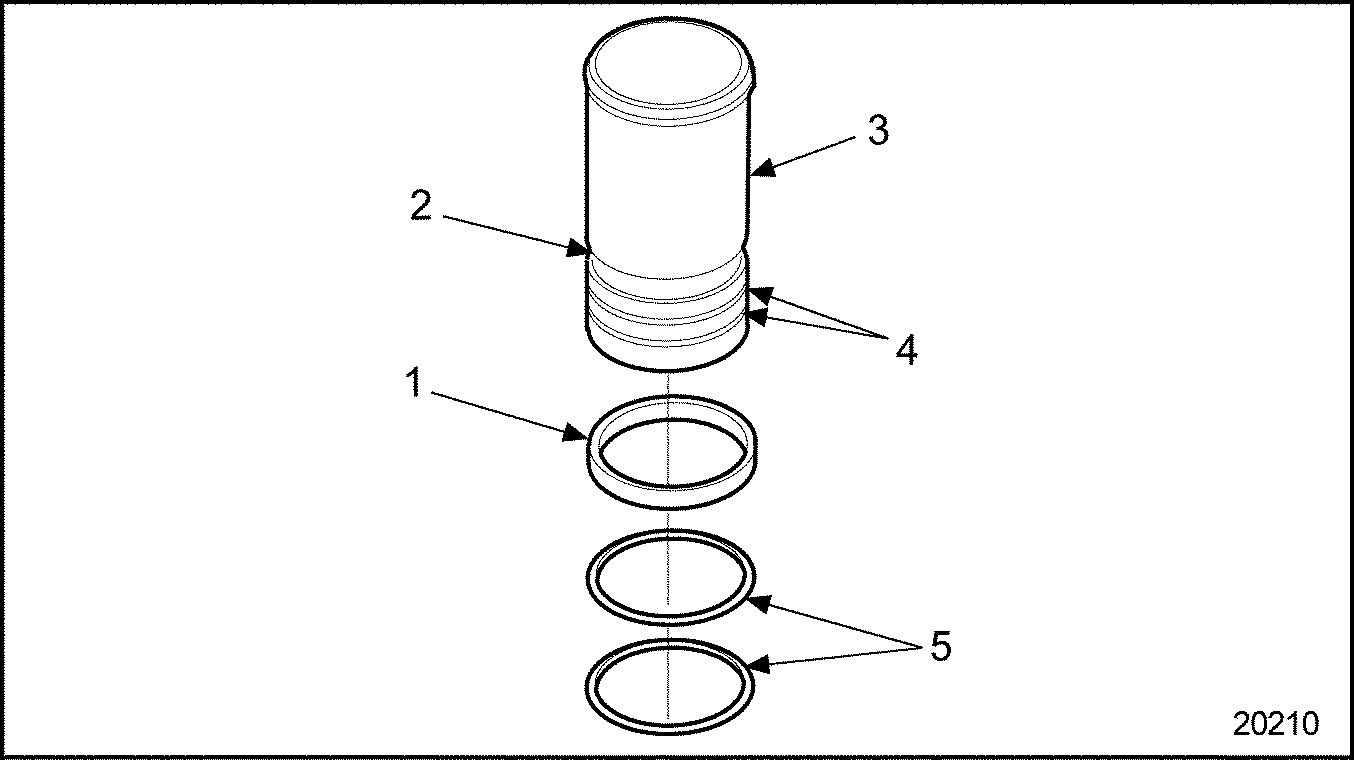
The cylinder liner is of the replaceable wet type, made of alloy cast iron, and is slip fit in the cylinder block. See Figure "Cylinder Liner and Related Parts" .
|
1. Crevice Seal |
4. O-ring Grooves |
|
2. Crevice Seal Groove |
5. D-ring Seals |
|
3. Cylinder Liner |
|
Figure 1. Cylinder Liner and Related Parts
Coolant in the cylinder block water jacket surrounds the liner and cools it directly. A cooling channel is also cut into the liner immediately below the flange. Coolant flow through this channel and around the rest of the liner controls critical ring and liner temperatures for long cylinder component life.
The liner is inserted in the cylinder bore from the top of the cylinder block. The flange at the top of the liner fits into a counter bore in the cylinder block. See Figure "Cylinder Liner to Block Positioning" .
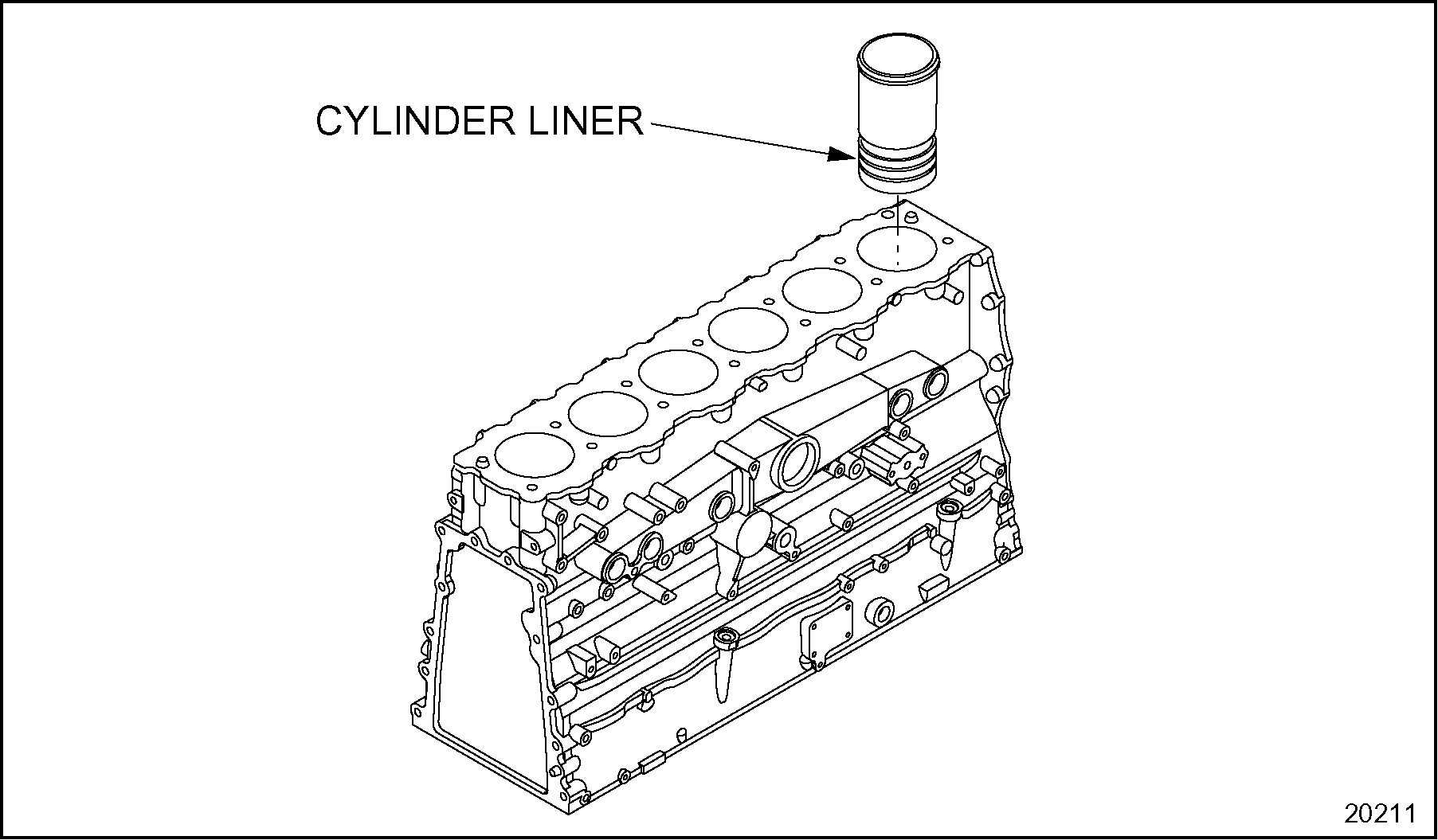
Figure 2. Cylinder Liner to Block Positioning
Note: The cylinder liner, piston and connecting rod must be installed as a assembly in 14L engines and 12.7L EGR On-Highway engines. Refer to "1.21 Piston and Connecting Rod Assembly" .
NOTICE: |
|
The crevice seal prevents coolant from being pumped in and out of the area adjacent to the liner lower block location which could result in cavitation and corrosion damage to the liner and the block. |
A crevice seal, fitting in the wide uppermost groove in the liner helps to stabilize the liner in the cylinder block bore. This system also keeps any debris that is in the cooling system from causing abrasion damage to the upper "D" liner seal ring. See Figure "Cylinder Liner Crevice Seal Cross-Section" .
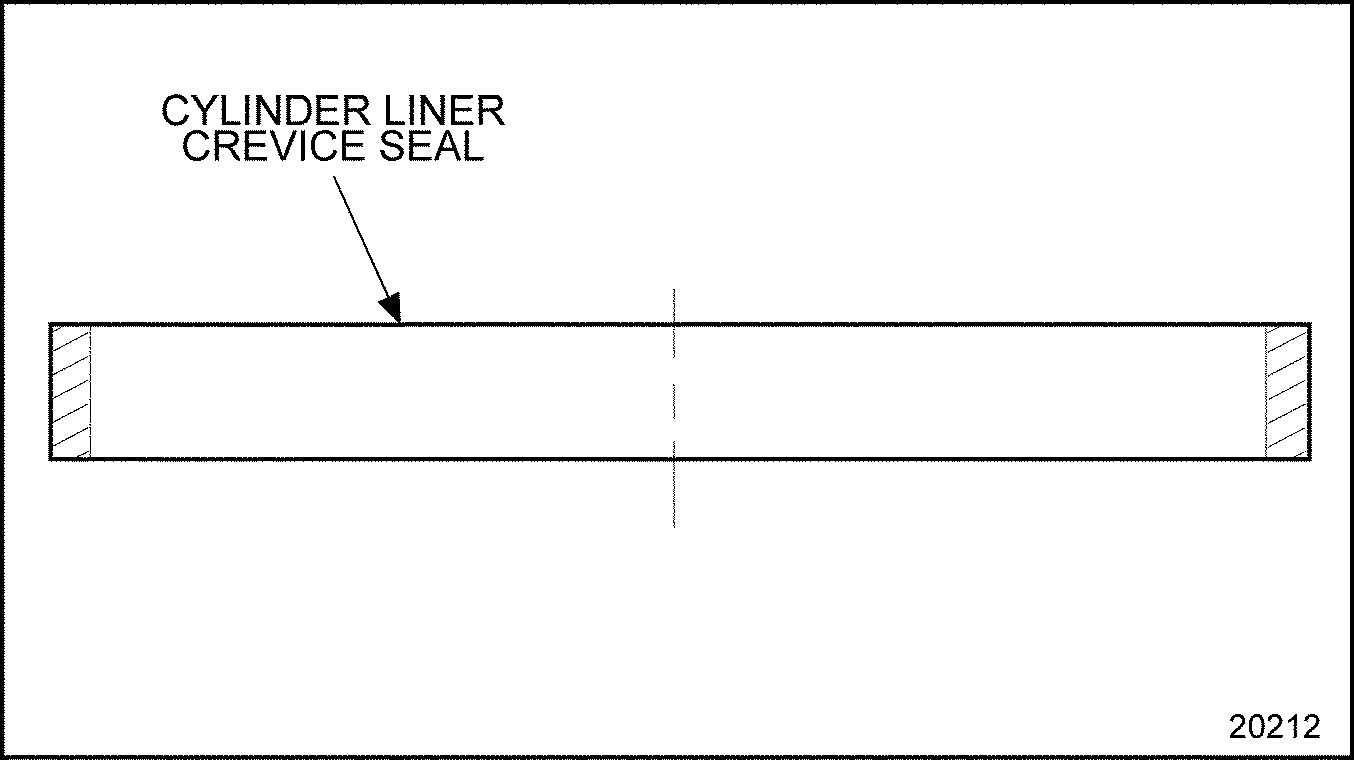
Figure 3. Cylinder Liner Crevice Seal Cross-Section
Two teflon-coated, D-shaped seal rings, recessed in the lower two grooves in the cylinder liner, are used between the liner and the block to prevent coolant and oil leakage. See Figure "Cylinder Liner Seal Ring Cross-section" .
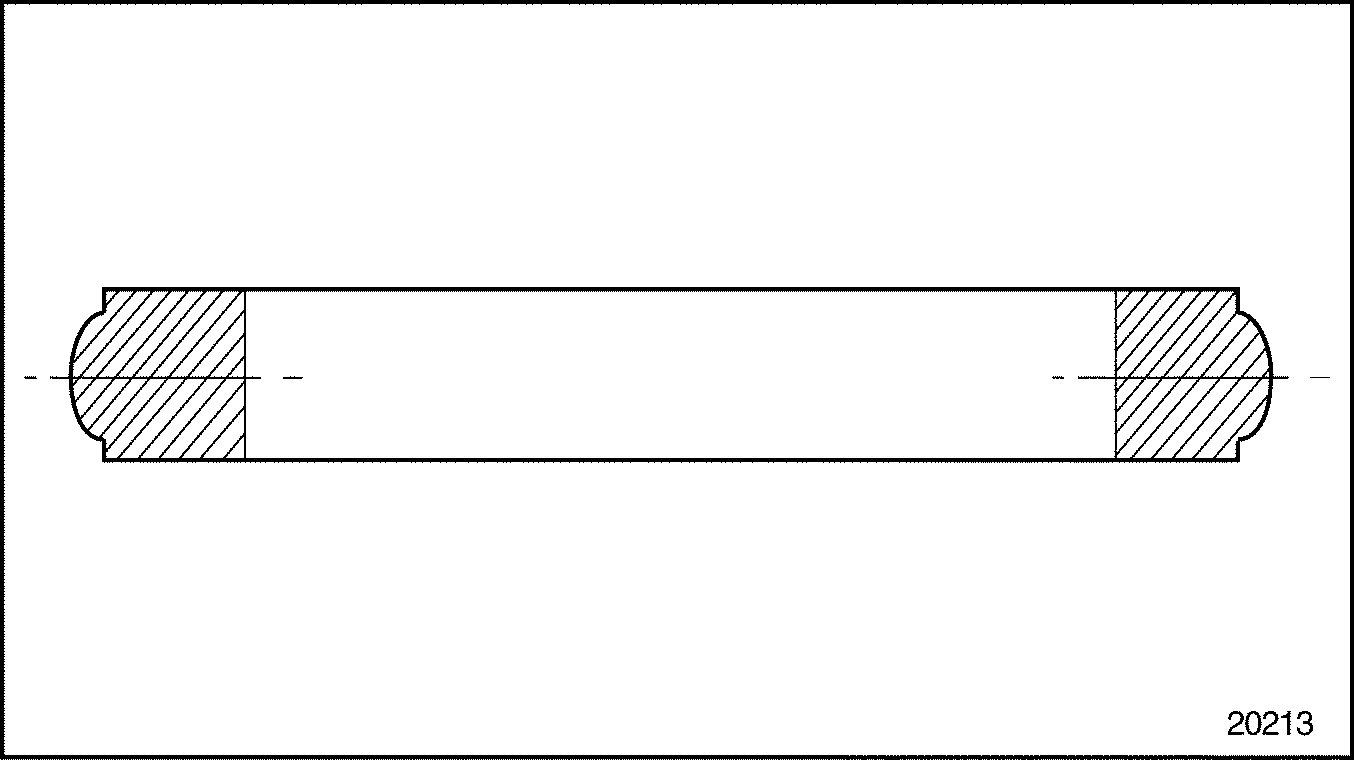
Figure 4. Cylinder Liner Seal Ring Cross-section
A weep hole for each cylinder is drilled through the cylinder block exterior, into the cylinder bore area. This weep hole is located between the two D-shaped seal rings. It is used to determine if engine coolant is leaking past the upper liner seal, or if oil is leaking past the lower liner seal. See Figure "Weep Hole Plug Locations" . A special rubber plug prevents dirt from getting into the "D" seal ring areas and causing abrasive damage. At the same time it allows leaking oil or coolant a path out of the engine for detection.
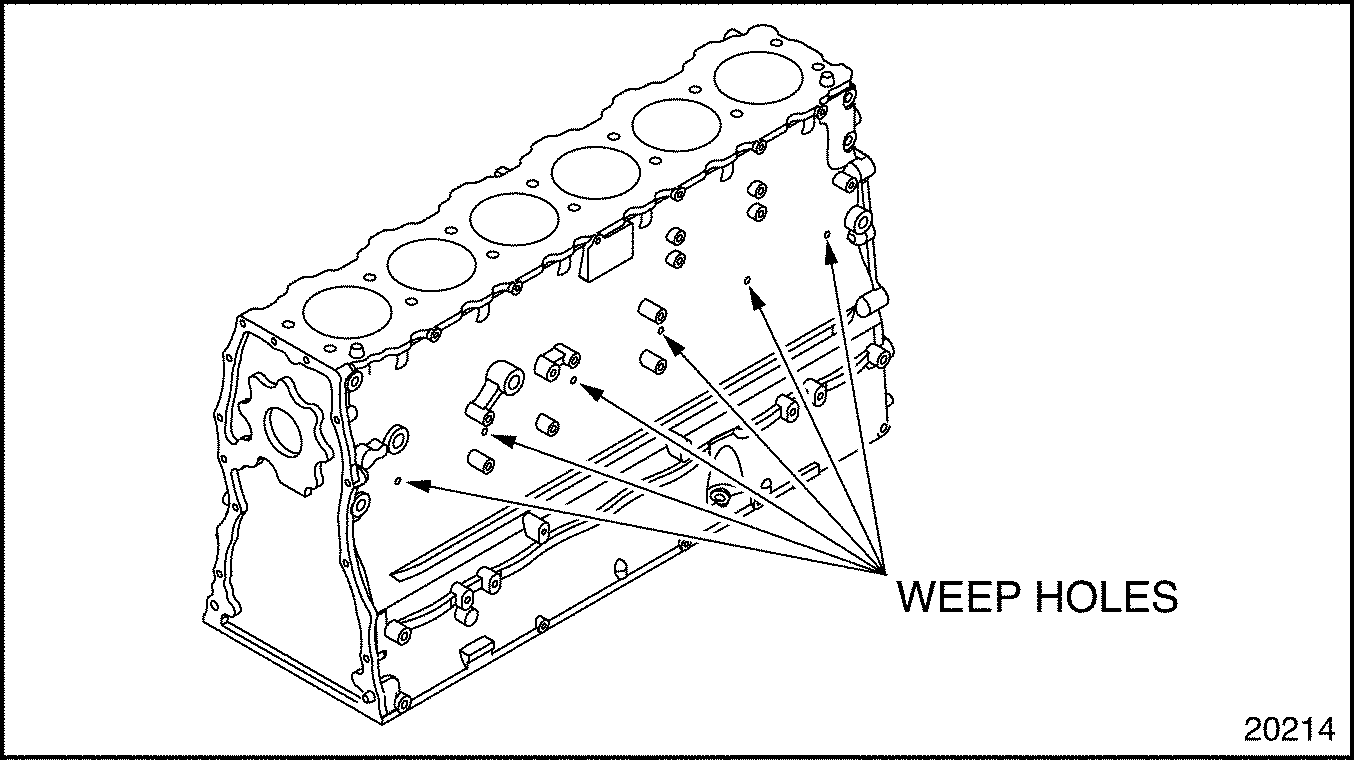
Figure 5. Weep Hole Plug Locations
To determine if repair is possible or replacement is necessary, perform the following procedure. See Figure "Flowchart for Repair or Replacement of Cylinder Liner" .
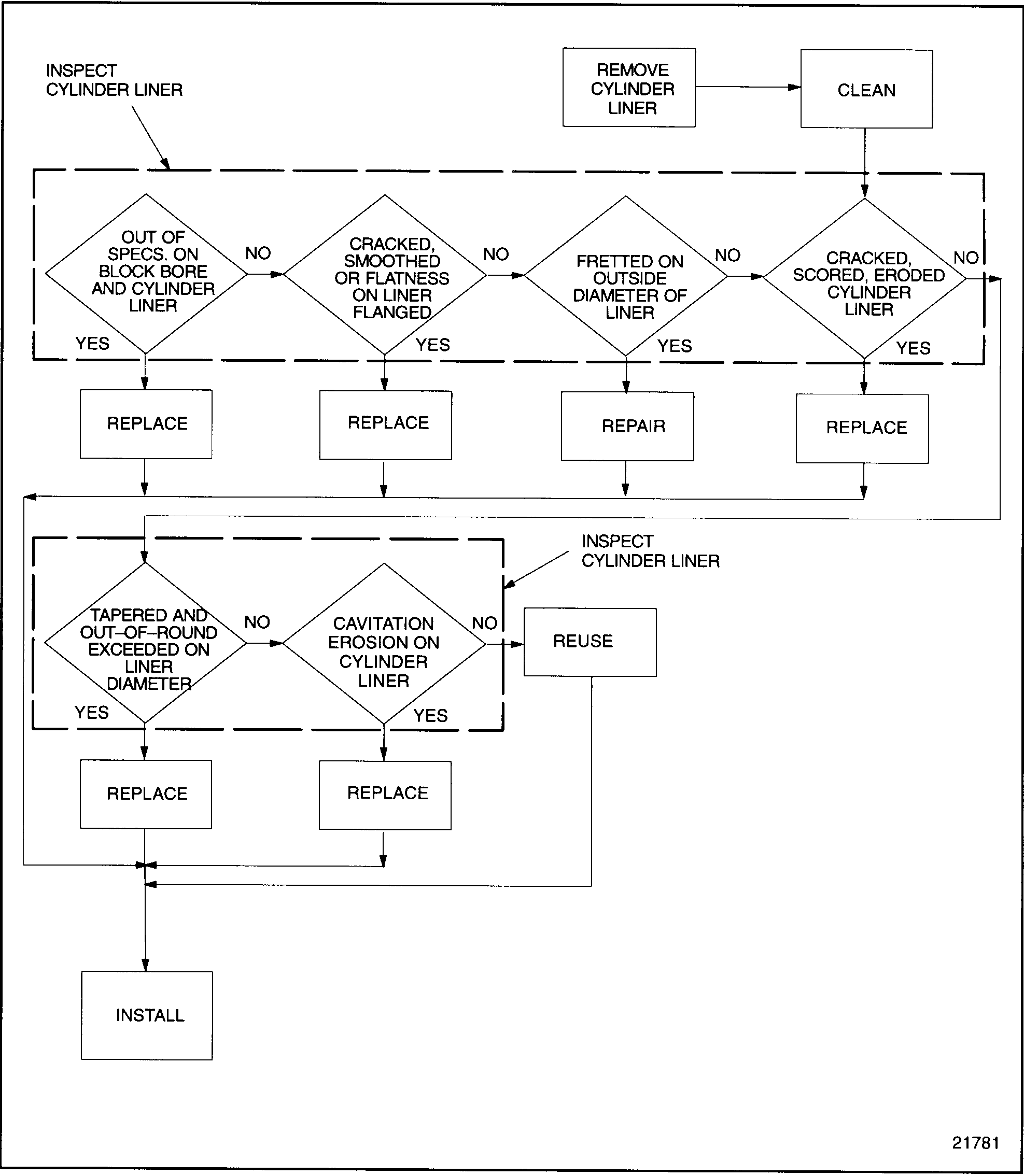
Figure 6. Flowchart for Repair or Replacement of Cylinder Liner
Precleaning is not necessary.
|
NOTICE: |
|
Refer to "1.21.2 Removal and Cleaning of Piston and Connecting Rod" for removal of 14L and 12.7L EGR ON-Highway Cylinder Liner, Piston and Connecting Rod assembly. |
NOTICE: |
|
The proper method must be followed when removing a cylinder liner. Damage to the liner and the cylinder block may occur if the proper tools and procedures are not used. |
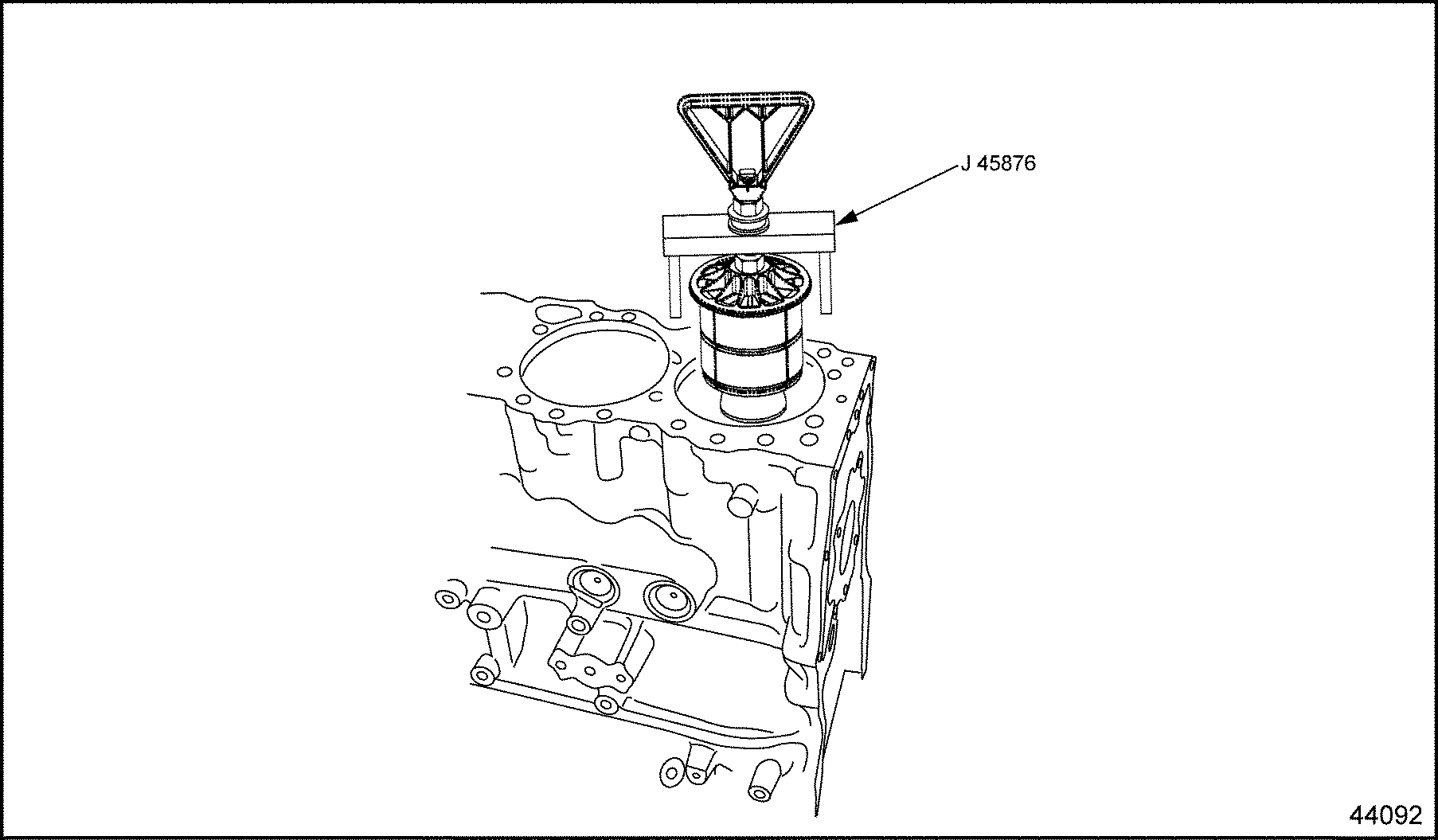
Figure 7. Cylinder Liner Removal Tool (J–45876)
Note: After removing liners from an engine and prior to installing liners, always store them in an upright position until ready for use. Liners left on their side for any length of time can become egg-shaped and distorted, making installation in cylinder bores difficult or impossible. If the cylinder liners are to be reused, they should be marked for cylinder location and engine orientation, a paint mark can be used to indicate the front of engine so they may be installed to the same cylinder from which they were removed.
Clean the cylinder liner prior to inspection as follows:
 EYE INJURY |
|
To avoid injury from flying debris when using compressed air, wear adequate eye protection (face shield or safety goggles) and do not exceed 276 kPa (40 psi) air pressure. |
NOTICE: |
|
If the liners are not to be installed at this time, oil them lightly with clean engine lubricating oil and store them upright in a clean, dry area. Do not allow the liners to rest on their sides and do not store anything on top of the liners. |
Inspect the cylinder liner as follows:
NOTICE: |
|
Erosion is due to poor cooling system maintenance. If uncorrected, it will eventually make holes through the liner. This can result in combustion gases blowing water out of the radiator, oil in the coolant, or when the engine is stopped will allow water to flow into the cylinder and result in major engine damage due to water in the oil or hydraulic lockup. |
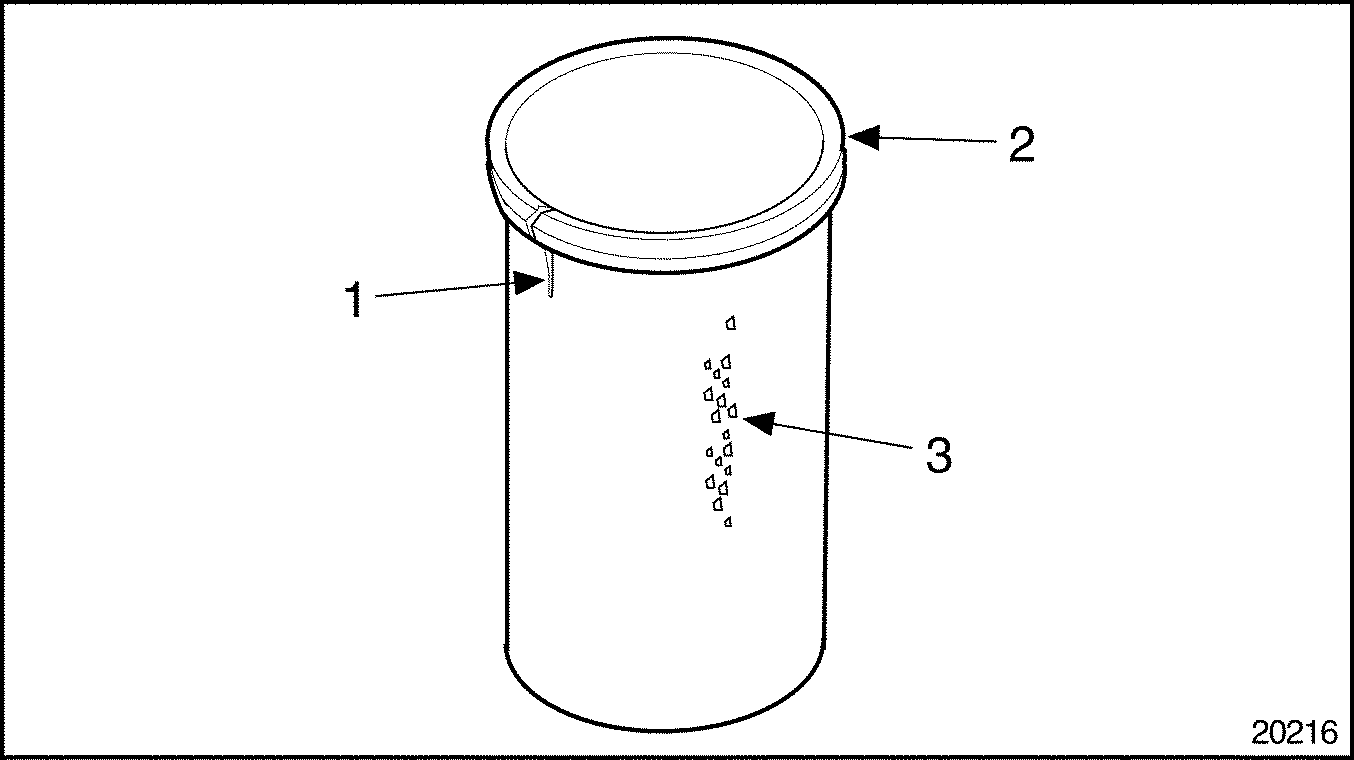
|
1. Cracks |
3. Erosion |
|
2. Cylinder Liner |
|
Figure 8. Cylinder Liner Cavitation Erosion
NOTICE: |
|
Series 60 cylinder liners are honed at the factory with a process that cannot be duplicated in the field. For this reason, honing of used liners should not be attempted. |
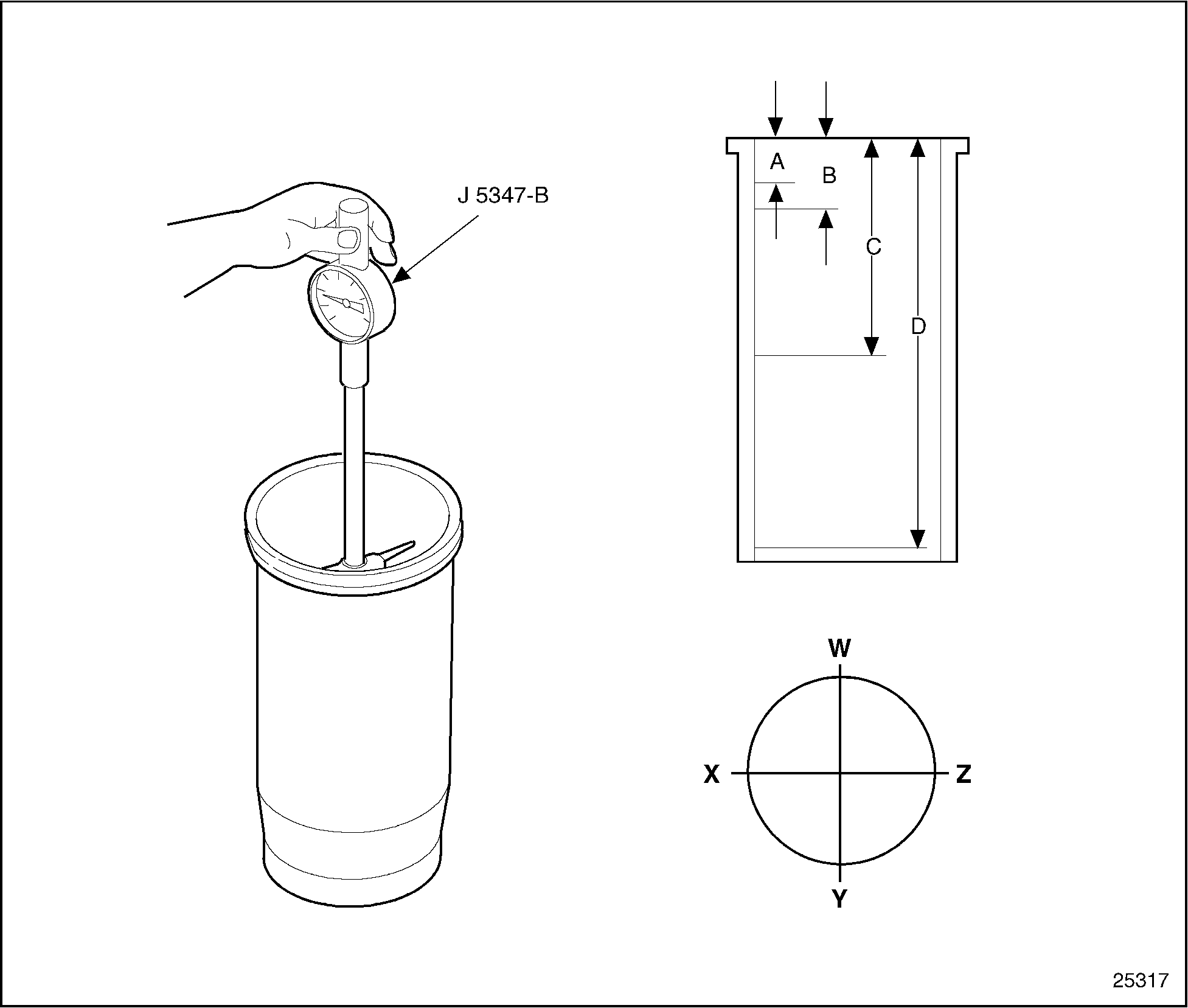
Figure 9. Cylinder Liner Measurement Diagram
Install the cylinder liner as follows:
Note: Refer to "1.21 Piston and Connecting Rod Assembly" for 14L and 12.7L EGR On-Highway liner, piston and connecting rod procedure.
Note: Thoroughly clean the cylinder block liner counter bores to remove any foreign material. Foreign material in the cylinder liner counter bores can cause the liner to seat improperly.
Note: Do not exert excessive force on the liner, while pushing it down.
Note: It is necessary to leave the cylinder liner installation tool in place until after the liner protrusion is measured.
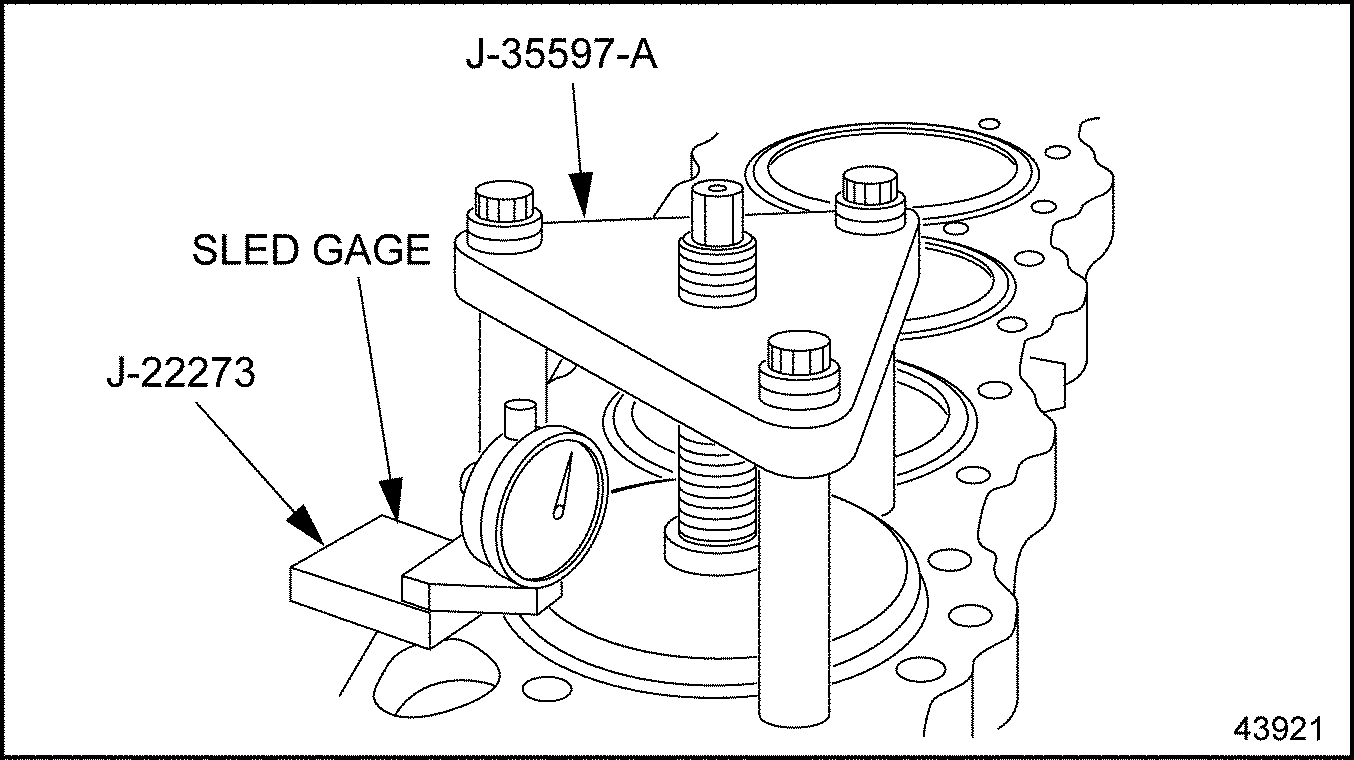
Figure 10. Cylinder Liner Installation Tools
Note: It is not necessary to torque the bolts.

Figure 11. Cylinder Liner Protrusion
| Series 60 Service Manual - 6SE483 |
| Generated on 10-13-2008 |