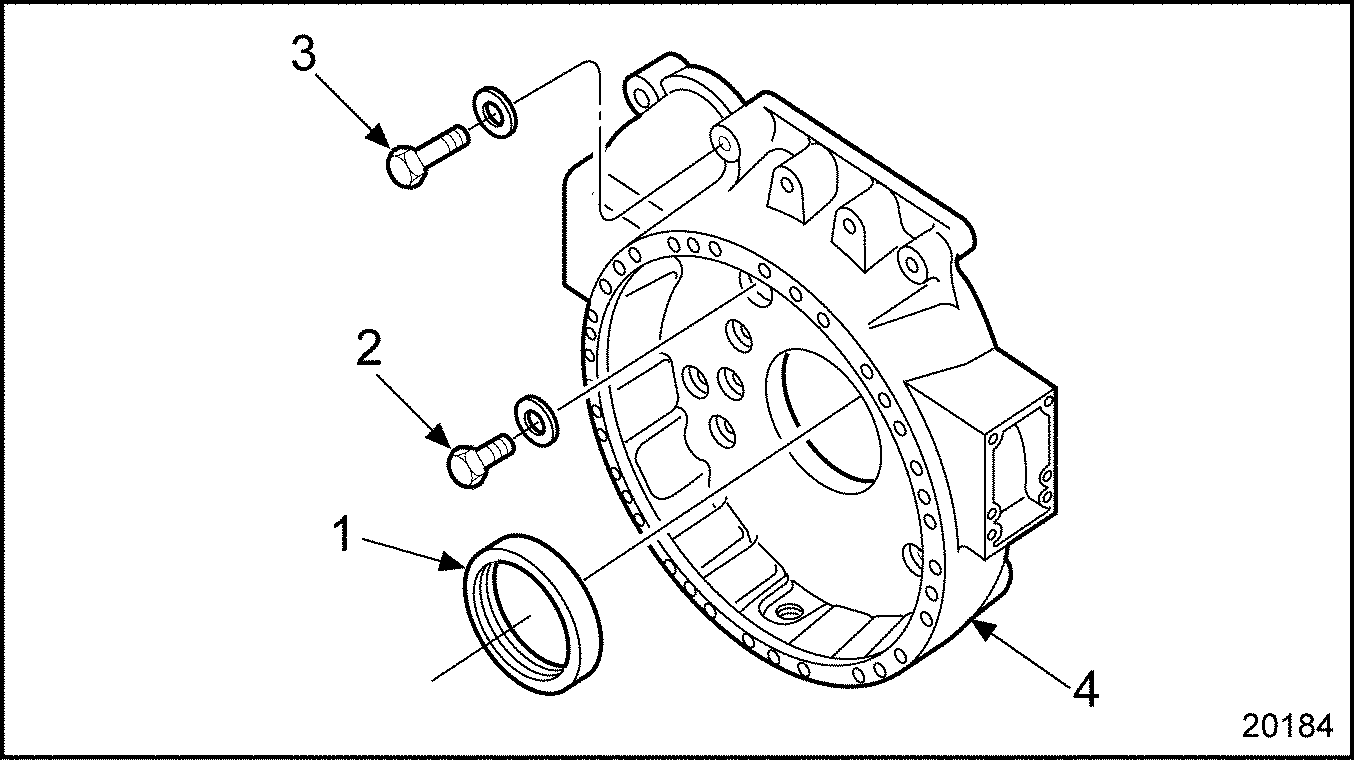
The flywheel housing is a one-piece casting mounted against the rear of the cylinder block. It provides a cover for the flywheel and serves as a support for the cranking motor and the transmission. See Figure
"Flywheel Housing and Related Parts"
.
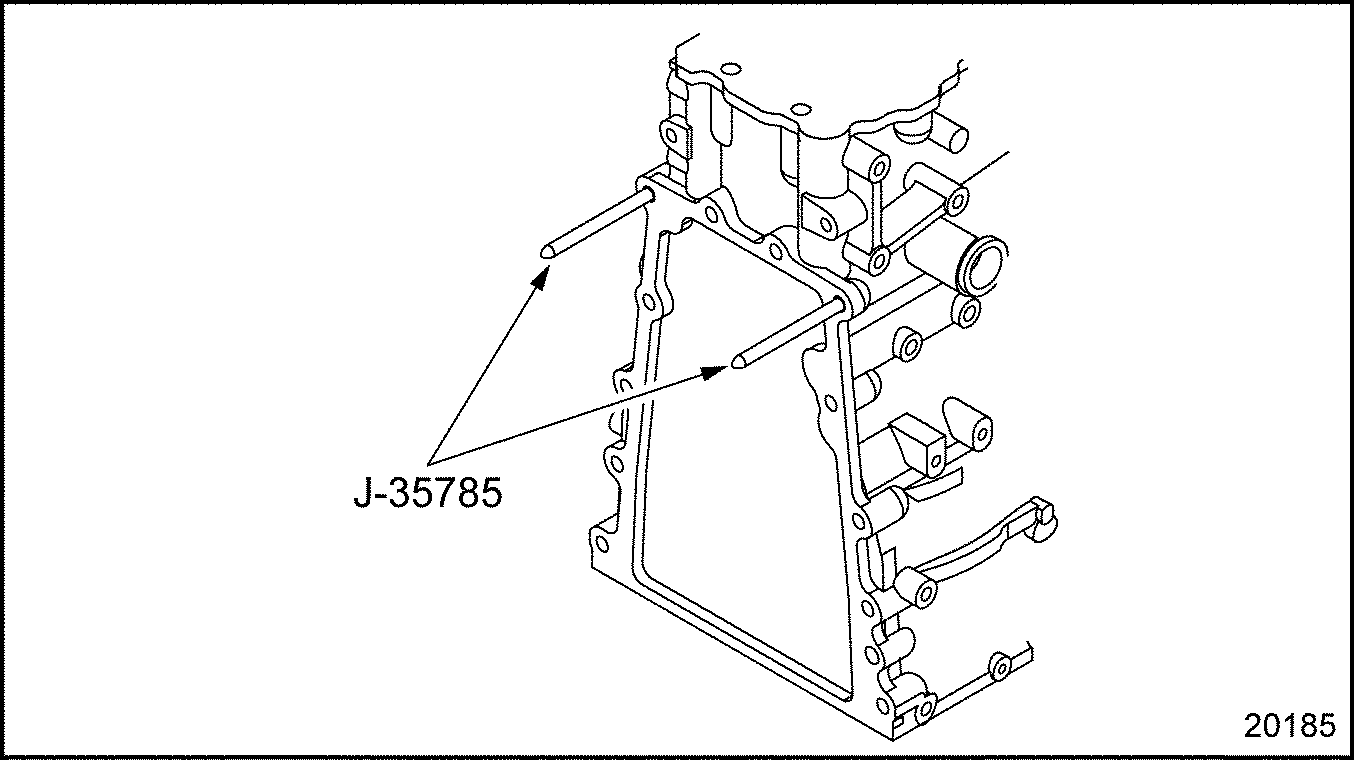
To guide the flywheel housing until it clears the end of the crankshaft, thread two guide studs (J–35785)
for 12 mm bolts, or guide studs (J–43431)
for 14 mm bolts, into the cylinder block. See Figure
"Pilot Stud Installation"
.
Figure 3. Pilot Stud Installation
Note: The illustration is shown with the flywheel housing already removed for clarity.
Thread eye bolts into the tapped holes in the side pads of the flywheel housing.
Attach a suitable sling to the eye bolts and strike the front face of the housing alternately on each side with a soft hammer to loosen and work it off the dowel pins.
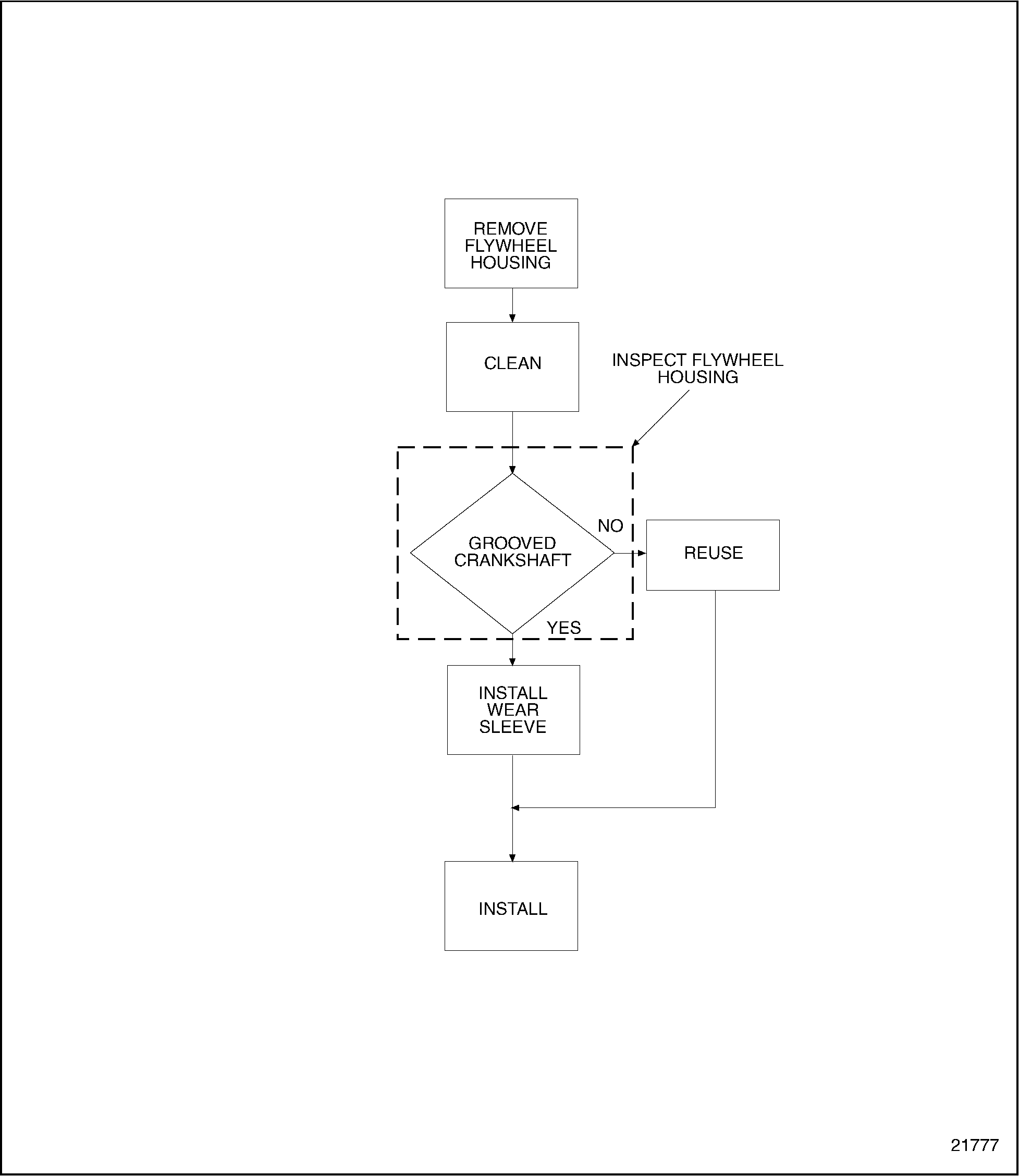
Remove and discard the crankshaft rear oil seal.
Remove all sealing material from the flywheel housing. Refer to section, "Cleaning" in the "General Information" section at the beginning of this manual.
Section 1.18.2.1 Inspection of Flywheel Housing and Rear Oil Seal Area of Crankshaft
Inspect the flywheel housing as follows:
Inspect flywheel housing for cracks and any other damage.
If sealing surface is damaged, repair with emery cloth.
If cracked, repair is not possible.
Inspect the crankshaft where the rear oil seal makes contact.
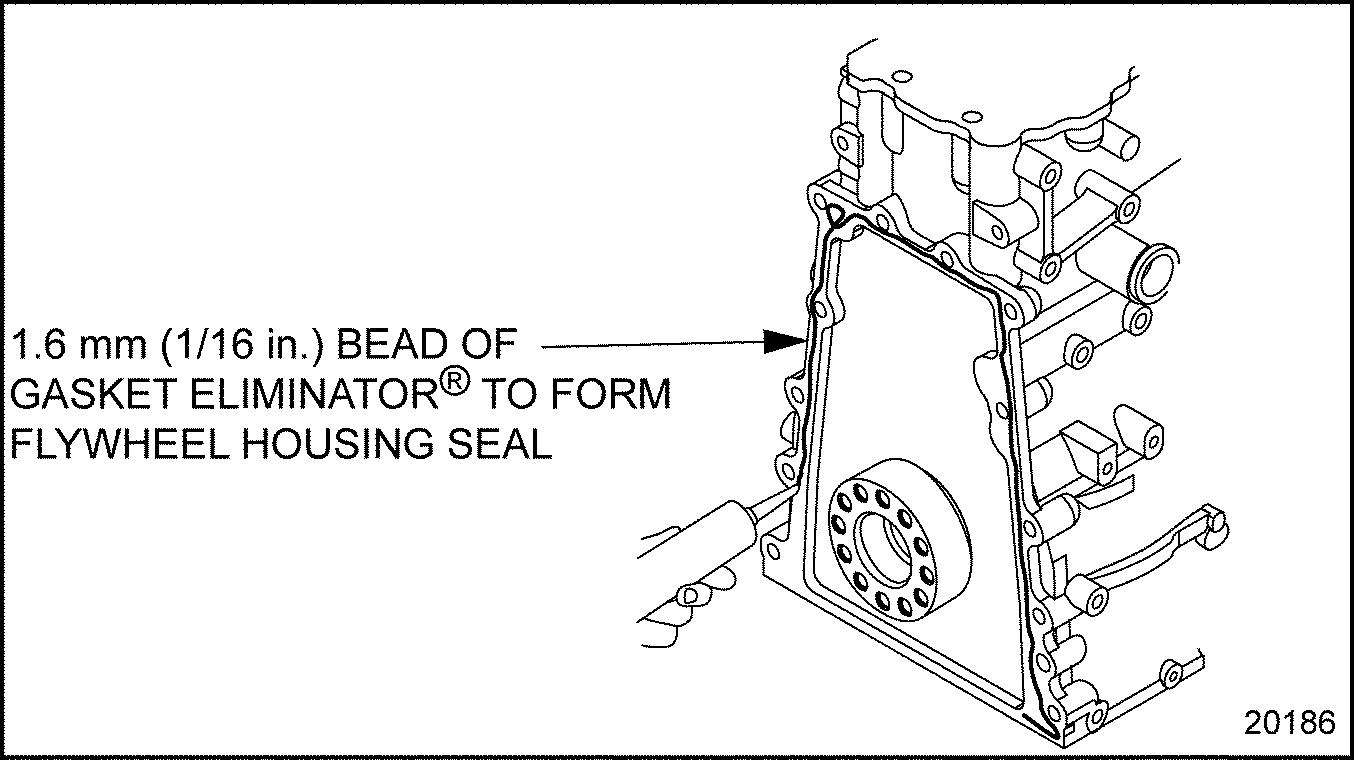
Apply a continuous 1.6 mm (1/16 in.) bead of Loctite® 509 Gasket Eliminator®, or equivalent, to the cylinder block where it mates with the flywheel housing. See Figure
"Gasket Eliminator® Installation"
.
Tap the end of the crankshaft (not the crankshaft pulley) with a soft hammer to force it toward one end of the block to ensure end play is in one direction only.
Adjust each dial indicator to read zero at the twelve o'clock position.
Bar the engine and rotate the crankshaft one complete revolution, taking readings at 90 degree intervals (four readings each for the bore and bolting flange face). See Figure
"Flywheel Housing"
.
Figure 7. Flywheel Housing
Remove the wrench or cranking bar before recording each reading to ensure accuracy.
The maximum total indicator reading must not exceed 0.33 mm (0.013 in.) for either the bore or the face.
If the run-out exceeds the maximum limits, remove the flywheel and flywheel housing and check for dirt or foreign material between the flywheel housing and the cylinder block or oil pan.
Clean the mating surfaces once again. Refer to section "General Information, Cleaning" in the beginning of this manual.